


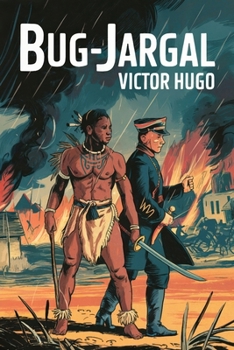
Bug-Jargal: A New Translation

Select Format
Select Condition 
Book Overview
1791. Saint-Domingue erupts in the most radical revolution the world has ever seen.
Leopold d'Auverney is a young French officer on his uncle's plantation, engaged to his beautiful cousin Marie, living the privileged life of a colonial planter. Pierrot is a slave on that same plantation-silent, dignified, bearing his bondage with mysterious nobility.
When the enslaved people of Saint-Domingue rise in rebellion, Leopold discovers that Pierrot is actually Bug-Jargal, nephew of an African king, sold into slavery through treachery. As the colony descends into war between revolutionaries fighting for freedom and colonists defending slavery, these two men-enemies by circumstance, allies by choice-forge an unlikely bond that transcends the violence consuming their world.
Bug-Jargal leads rebel forces with courage and honor that shame the civilization that enslaved him. Leopold fights for the colonial system while recognizing its fundamental injustice. Both love the same woman. Both save each other's lives. And both will be destroyed by forces larger than individual friendship or honor.
Written when Victor Hugo was just twenty-one, Bug-Jargal marks the beginning of his lifelong engagement with themes of oppression and human dignity. Set against the backdrop of the Haitian Revolution-the most consequential slave uprising in history-the novel combines romantic adventure with early exploration of the moral questions that would define Hugo's career. While its treatment of race and revolution reflects the limitations of its era, the work demonstrates the young author's passionate commitment to justice and his gift for dramatic storytelling.
Some revolutions are fought with weapons. Some with words. And some challenge everything we believe about freedom, dignity, and what it means to be human.
Victor Hugo's passionate early novel of slavery, rebellion, and the bonds that transcend the boundaries of race and war.
Customer Reviews
ThriftBooks® and the ThriftBooks® logo are registered trademarks of Thrift Books Global, LLC
