


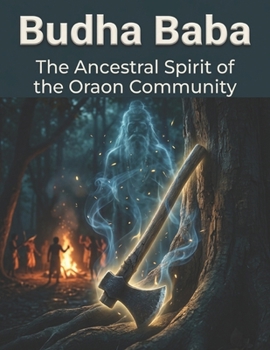
Budha Baba: The Ancestral Spirit of the Oraon Community

The definitive ethnographic study of Oraon ancestral veneration and indigenous spiritual resilience.
In the complex tapestry of India's indigenous heritage, the Oraon people stand as a testament to the power of tradition. At the center of their existence is Budha Baba, the ancestral presence providing guidance, protection, and moral continuity. This text serves as a rigorous exploration of this sacred relationship, moving through history, ritual, and the modern challenges facing Adivasi identity.
Foundations of the Oraon Identity The journey begins with a deep dive into the historical origins of the Oraon community. You will explore their social structures and the intrinsic link between their cultural identity and the land. By understanding the historical migrations and the establishment of their villages, readers gain a clear perspective on how their belief systems were forged.
The Mystery of the Ancestral Guardian Central to this work is the figure of Budha Baba. Unlike distant deities, he is an active participant in the spiritual life of the tribe. This book documents the oral legends and sacred myths that define his role. It moves beyond folklore to examine the theological implications of ancestor worship, illustrating how the past remains a living presence for the Kurukh-speaking people.
Sacred Rituals and Shamanic Leadership Spirituality in the Oraon community is a practiced, daily reality. This study details the intricate rituals performed in honor of the spirits, from the local village level to grand communal celebrations. Learn the vital functions of the Pahan (village priest) and the Pujari, and witness the rhythmic power of the Sarhul and Karam festivals. These ceremonies are not merely events; they are the threads that hold the social fabric together.
A Moral Compass and Divine Intervention Budha Baba serves as more than a protector; he is the ethical anchor of the community. This book examines how ancestral belief shapes tribal law, family values, and personal conduct. Through recorded narratives of divine intervention, the text highlights the psychological and social impact of living in harmony with the spirit world.
Comparative Traditions and Global Parallels To provide a broader context, this work compares Oraon practices with other tribal traditions across India and the globe. This comparative analysis elevates the book from a localized study to a vital piece of global indigenous research, identifying universal themes in how humanity honors its progenitors.
Navigating the 21st Century Modernization, urban migration, and religious shifts present significant hurdles to traditional ways of life. The final chapters address these contemporary pressures, documenting the efforts of tribal leaders and youth to preserve their heritage. It is a sobering yet hopeful look at the adaptation and revival of Oraon faith in a globalized era.
Complete with a glossary of religious terms and a bibliography of key festivals, this book is an essential resource for anthropologists, historians, and anyone dedicated to the preservation of India's diverse cultural landscape.
Customer Reviews
ThriftBooks® and the ThriftBooks® logo are registered trademarks of Thrift Books Global, LLC
