


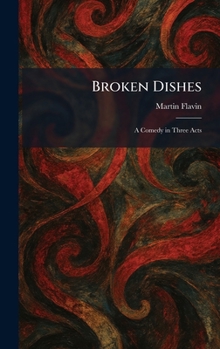
Broken Dishes: A Comedy in Three Acts

"Broken Dishes: A Comedy in Three Acts" is a classic American domestic comedy that explores the humorous and often chaotic dynamics of family life in the early 20th century. Written by Martin Flavin, the play centers on the Bumpsted family, particularly the mild-mannered and long-suffering Cyrus Bumpsted. For years, Cyrus has lived under the thumb of his formidable wife, Jenny, who constantly reminds him and their three daughters of her superior social background and the legendary suitor she supposedly gave up to marry him.
The plot thickens as the Bumpsted daughters seek to escape their mother's rigid expectations and find true love on their own terms. When a mysterious stranger arrives in town, long-held family myths are challenged, leading to a series of comedic misunderstandings and revelations. The work masterfully balances sharp wit with a poignant look at the struggle for individual autonomy within a traditional household.
Celebrated for its clever dialogue and relatable characters, "Broken Dishes" provides a satirical yet affectionate look at small-town manners and the enduring power of family ties. As a staple of mid-century American theater, this three-act play remains a vibrant example of domestic farce, offering readers and performers alike a timeless exploration of the human desire for freedom and the complexities of domestic bliss.
This work has been selected by scholars as being culturally important, and is part of the knowledge base of civilization as we know it. This work was reproduced from the original artifact, and remains as true to the original work as possible. Therefore, you may see the original copyright references, library stamps (as most of these works have been housed in our most important libraries around the world), and other notations in the work.
This work is in the public domain in the United States of America, and possibly other nations. Within the United States, you may freely copy and distribute this work, as no entity (individual or corporate) has a copyright on the body of the work.
As a reproduction of a historical artifact, this work may contain missing or blurred pages, poor pictures, errant marks, etc. Scholars believe, and we concur, that this work is important enough to be preserved, reproduced, and made generally available to the public. We appreciate your support of the preservation process, and thank you for being an important part of keeping this knowledge alive and relevant.
Related Subjects
DramaCustomer Reviews
ThriftBooks ® and the ThriftBooks ® logo are registered trademarks of Thrift Books Global, LLC
