


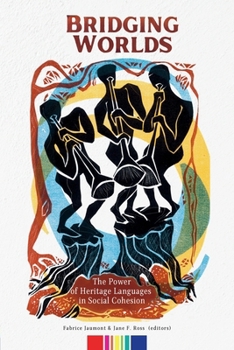
Bridging Worlds: The Power of Heritage Languages in Social Cohesion

Heritage languages do more than connect us to the past-they shape the fabric of our shared future.
Bridging Worlds: The Power of Heritage Languages in Social Cohesion brings together leading scholars, educators, and community advocates from around the globe to explore how heritage languages strengthen identity, foster belonging, and build inclusive societies. Through research, case studies, and lived experiences spanning North America, Europe, Africa, and beyond, this volume reveals the profound role that ancestral languages play in civic participation, intergenerational solidarity, and community resilience.
From bilingual classrooms and immigrant families to policy frameworks and grassroots initiatives, the contributors show that heritage languages are not relics to be preserved but dynamic resources that evolve with each generation. They illuminate how multilingual learners negotiate hybrid identities, how families sustain emotional and cultural ties across continents, and how communities mobilize language as a tool for equity and social cohesion-even in times of crisis.
Whether examining the Seal of Biliteracy in the United States, European multilingual policies, Portuguese and Korean heritage education, diasporic youth experiences, or innovative digital language communities, Bridging Worlds calls for a fundamental shift: to recognize heritage languages as powerful public goods that enrich our civic life, promote cross-cultural understanding, and strengthen the bonds that hold diverse societies together.
A vital resource for educators, policymakers, researchers, community organizers, and anyone committed to multilingualism, equity, and the cultural vibrancy of our interconnected world.
Customer Reviews
ThriftBooks® and the ThriftBooks® logo are registered trademarks of Thrift Books Global, LLC
