


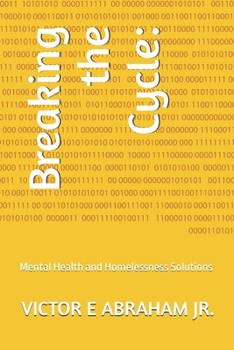
Breaking the Cycle: : Mental Health and Homelessness Solutions
No Customer Reviews

Homelessness is a complex issue that encompasses a range of experiences, from chronic to transitional and episodic homelessness. Individuals affected by homelessness may struggle with financial instability, domestic violence, and mental health challenges that make securing stable housing difficult. Certain groups, including veterans and youth, face unique risks that require tailored interventions. The statistics highlight the urgency of addressing homelessness, with a significant portion of the population lacking access to stable living conditions.
Mental health and homelessness are deeply interconnected, with many experiencing severe mental health disorders that contribute to their housing instability. Depression, anxiety, and post-traumatic stress disorder are prevalent among homeless individuals, particularly veterans and youth. Addressing mental health through integrated support services can provide pathways toward stability, and housing-first initiatives have proven effective in reducing homelessness while improving mental well-being.
Youth homelessness presents distinct challenges, often stemming from family dysfunction, economic instability, and mental health struggles. Young people without stable housing may struggle to access education and employment opportunities, further exacerbating their vulnerability. Targeted transitional housing programs, mental health support, and outreach initiatives play crucial roles in breaking the cycle of youth homelessness.
Women experiencing homelessness often face gender-specific risks, including higher exposure to domestic violence and sexual exploitation. Female veterans also encounter unique challenges, with trauma from military service affecting their ability to find secure housing. Recognizing these specific vulnerabilities allows for more effective interventions tailored to their experiences.
Community outreach, prevention strategies, and policy changes are essential to addressing homelessness. The economic impacts of homelessness extend beyond individuals, affecting society at large. Investing in prevention efforts, such as affordable housing initiatives and mental health services, can reduce long-term costs and improve overall
Mental health and homelessness are deeply interconnected, with many experiencing severe mental health disorders that contribute to their housing instability. Depression, anxiety, and post-traumatic stress disorder are prevalent among homeless individuals, particularly veterans and youth. Addressing mental health through integrated support services can provide pathways toward stability, and housing-first initiatives have proven effective in reducing homelessness while improving mental well-being.
Youth homelessness presents distinct challenges, often stemming from family dysfunction, economic instability, and mental health struggles. Young people without stable housing may struggle to access education and employment opportunities, further exacerbating their vulnerability. Targeted transitional housing programs, mental health support, and outreach initiatives play crucial roles in breaking the cycle of youth homelessness.
Women experiencing homelessness often face gender-specific risks, including higher exposure to domestic violence and sexual exploitation. Female veterans also encounter unique challenges, with trauma from military service affecting their ability to find secure housing. Recognizing these specific vulnerabilities allows for more effective interventions tailored to their experiences.
Community outreach, prevention strategies, and policy changes are essential to addressing homelessness. The economic impacts of homelessness extend beyond individuals, affecting society at large. Investing in prevention efforts, such as affordable housing initiatives and mental health services, can reduce long-term costs and improve overall
Format:Paperback
Language:English
ISBN:B0F7RK5BKS
ISBN13:9798282764659
Release Date:May 2025
Publisher:Independently Published
Length:66 Pages
Weight:0.22 lbs.
Dimensions:0.1" x 6.0" x 9.0"
Customer Reviews
0 rating
Copyright © 2025 Thriftbooks.com
Terms of Use | Privacy Policy | Do Not Sell/Share My Personal Information | Cookie Policy | Cookie Preferences | Accessibility Statement
ThriftBooks ® and the ThriftBooks ® logo are registered trademarks of Thrift Books Global, LLC
ThriftBooks ® and the ThriftBooks ® logo are registered trademarks of Thrift Books Global, LLC
