


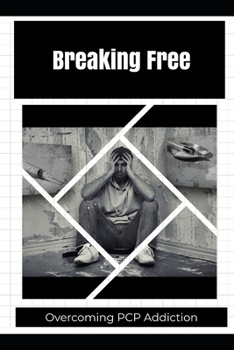
Breaking Free: Overcoming PCP Addiction
No Customer Reviews

The Hidden Dangers of PCP Addiction Phencyclidine, commonly known as PCP or "angel dust," is a powerful dissociative drug that was originally developed in the 1950s as an intravenous anesthetic. However, its severe side effects, including hallucinations and agitation, led to its discontinuation for medical use. Despite its potential for harm, PCP remains a substance of abuse, posing significant risks to individuals and communities. PCP addiction often begins with experimentation, typically driven by curiosity or peer pressure. Users may initially seek the drug for its hallucinogenic effects, which can include distorted perceptions of reality and a sense of detachment from one's body. These experiences, however, come with a high cost. Even in small doses, PCP can cause severe psychological and physiological reactions, making it one of the most dangerous substances on the illicit drug market. The effects of PCP on the brain are profound. As a dissociative drug, PCP disrupts the normal functioning of the neurotransmitter glutamate, which plays a crucial role in cognition, emotion, and pain perception. This disruption can lead to intense and often unpredictable mood swings, paranoia, and aggression. Long-term use of PCP can result in memory loss, cognitive impairment, and persistent mental health disorders. Physical health is also severely impacted by PCP addiction. The drug can cause significant harm to various bodily systems, including the cardiovascular and respiratory systems. Users may experience high blood pressure, irregular heartbeats, and respiratory distress. Additionally, PCP can cause severe muscle contractions, leading to rhabdomyolysis, a condition in which muscle tissue breaks down and releases harmful substances into the bloodstream. The social consequences of PCP addiction are equally devastating. Individuals struggling with addiction may engage in risky behaviors, including criminal activities, to obtain the drug. Relationships with family and friends often suffer as a result of the erratic and sometimes violent behavior associated with PCP use. The broader community also feels the impact, as addiction can lead to increased rates of crime, homelessness, and healthcare costs. CONTENTS: - Understanding PCP Addiction
◦ What is PCP?
◦ History of PCP
◦ Who uses PCP and Why? - The Chemistry of PCP
◦ How PCP Affects the Brain
◦ Physical Impacts of PCP - Recognizing Abuse and Addiction
◦ Symptoms of PCP Abuse
◦ Long-term Effects of PCP - Dangers of PCP Addiction
◦ Physical Dangers
◦ Psychological Dangers - How to Help A Loved One with PCP Addiction
◦ Recognizing Enabling Behavior
◦ Engaging in Meaningful Conversations - Intervention Strategies
◦ Preparing for an Intervention
◦ Conducting an Intervention - Legal Ramifications of PCP Use and Addiction
◦ PCP and the Law
◦ Legal Support for Treatment - Detoxification: The First Step towards Recovery
◦ The Importance of Medically Supervised Detox
◦ Handling Withdrawal Symptoms - Different Treatment Options
◦ Inpatient Treatment
◦ Outpatient Treatment - The Role of Therapy in Recovery
◦ Cognitive Behavioral Therapy
◦ Group Therapy - Recovery and Continuing Care
◦ Rehab Aftercare and Ongoing Therapies
◦ Skills for Maintaining Sobriety - Self-help Strategies for Recovery
◦ Building a Support Network
◦ Healthy Coping Mechanisms - The Role of Family In Recovery
◦ Helping Without Enabling
◦ Family Therapy and Support Groups + MORE
◦ What is PCP?
◦ History of PCP
◦ Who uses PCP and Why? - The Chemistry of PCP
◦ How PCP Affects the Brain
◦ Physical Impacts of PCP - Recognizing Abuse and Addiction
◦ Symptoms of PCP Abuse
◦ Long-term Effects of PCP - Dangers of PCP Addiction
◦ Physical Dangers
◦ Psychological Dangers - How to Help A Loved One with PCP Addiction
◦ Recognizing Enabling Behavior
◦ Engaging in Meaningful Conversations - Intervention Strategies
◦ Preparing for an Intervention
◦ Conducting an Intervention - Legal Ramifications of PCP Use and Addiction
◦ PCP and the Law
◦ Legal Support for Treatment - Detoxification: The First Step towards Recovery
◦ The Importance of Medically Supervised Detox
◦ Handling Withdrawal Symptoms - Different Treatment Options
◦ Inpatient Treatment
◦ Outpatient Treatment - The Role of Therapy in Recovery
◦ Cognitive Behavioral Therapy
◦ Group Therapy - Recovery and Continuing Care
◦ Rehab Aftercare and Ongoing Therapies
◦ Skills for Maintaining Sobriety - Self-help Strategies for Recovery
◦ Building a Support Network
◦ Healthy Coping Mechanisms - The Role of Family In Recovery
◦ Helping Without Enabling
◦ Family Therapy and Support Groups + MORE
Format:Paperback
Language:English
ISBN:B0FSF2J6G1
ISBN13:9798308964650
Release Date:September 2025
Publisher:Independently Published
Length:192 Pages
Weight:0.58 lbs.
Dimensions:0.4" x 6.0" x 9.0"
Customer Reviews
0 rating
Copyright © 2026 Thriftbooks.com Terms of Use
| Privacy Policy | Do Not
Sell/Share My Personal Information | Cookie Policy | Cookie Preferences | Accessibility Statement
ThriftBooks® and the ThriftBooks® logo are registered trademarks of Thrift Books Global, LLC
ThriftBooks® and the ThriftBooks® logo are registered trademarks of Thrift Books Global, LLC
