


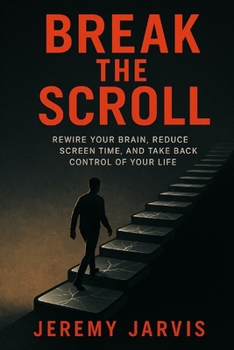
Break the Scroll: Rewire Your Brain, Reduce Screen Time, and Take Back Control of Your Life

Every platform you use has a revenue incentive to hold your attention one more minute, and it is very good at its job. Variable rewards, frictionless design, infinite scroll -- none of this is an accident, and none of it is a verdict on your self-control. You are not weak. You are outmatched by behavioral design.
Break the Scroll starts by explaining the machine, because you cannot exit a system you do not understand. Then it gives you 275 pages of strategy for leaving it on your terms.
Start with an audit, not a banBefore changing anything, you run a screen time audit: which apps, which notifications, which feed triggers, and -- the part most people have never looked at -- which specific cues start a scroll you did not decide to begin. You cannot redesign a habit loop you have never actually seen.
A 30-day plan built to prevent the reboundGradual reduction, deliberately. Cold-turkey detoxes spike and then snap back harder. This one steps down on purpose so there is nothing to rebound from.Environment before willpower. Redesign the defaults so the healthier choice is simply the easier one.Replace, do not just remove. Doomscrolling is doing a job for you -- usually stress relief. The plan swaps in real recovery and creative recharge rather than leaving a hole.Rebuild reading stamina for work, learning and real conversations -- the capacity that erodes earliest and gets deliberately trained least.Long-term boundaries that survive a stressful week, not just a motivated one.From consumption to creationThe deeper shift the book is after is not fewer minutes on a screen. It is moving from consuming what algorithms serve you to making things of your own. Reclaimed attention is only worth having if something happens in the space it opens up.
Who it is forYou reach for your phone before you have decided to.You feel more drained after scrolling than before, and do it anyway.You notice your attention fragmenting -- books, films, conversations all feel harder to stay inside.You are mentally "always on" and cannot locate the off switch.Students, parents, professionals, founders and creators being quietly pulled away from their own lives.Without the shameThe book does not demonize technology and it does not moralize about your screen time. Guilt is a poor motivator and a worse system. This is about choice: using technology as a tool you pick up on purpose, rather than a reflex that picks you up.
275 pages on the attention economy and how to leave it with a plan -- control instead of restriction, clarity instead of chaos.
Customer Reviews
ThriftBooks ® and the ThriftBooks ® logo are registered trademarks of Thrift Books Global, LLC
