


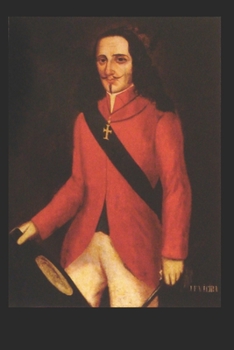
Brazil's First War of Independence

In 1645, Jo o Fernandes Vieira, a Portuguese sugar planter facing financial ruin under Dutch colonial rule in Pernambuco, made a desperate choice that would change the course of Brazilian history. What began as a conspiracy among indebted planters to resist Dutch debt collection policies evolved into the first successful multi-ethnic independence movement in the Americas.
Vieira forged an unprecedented alliance between Portuguese colonists, indigenous warriors led by Filipe Camar o, and African soldiers commanded by Henrique Dias. This diverse coalition united around a revolutionary concept-defending their shared p tria (homeland) rather than serving distant European masters.
Through innovative guerrilla tactics that combined Portuguese military discipline, indigenous knowledge of local terrain, and African combat experience, the rebels achieved stunning victories at Mount Tabocas (1645) and Guararapes (1648-1649), defeating professional European armies and proving that colonial resistance could succeed through inter-ethnic cooperation.
After nearly a decade of siege warfare that economically strangled Dutch Brazil, the last Dutch forces withdrew in 1654. While the immediate restoration of Portuguese authority limited the rebellion's social transformations, the insurrection established crucial precedents for Brazilian national identity. For the first time, diverse colonial populations had successfully collaborated as equals in defense of a homeland they claimed as their own, creating the foundation for Brazil's eventual independence and demonstrating that unity across ethnic boundaries could overcome any colonial oppression.
Related Subjects
HistoryCustomer Reviews
ThriftBooks ® and the ThriftBooks ® logo are registered trademarks of Thrift Books Global, LLC
