


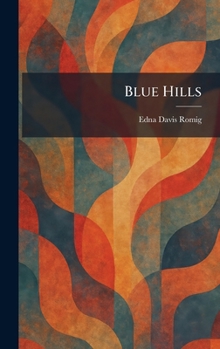
Blue Hills

"Blue Hills" is an evocative collection of lyric poetry that captures the serene beauty and rugged majesty of the American landscape. Written by Edna Davis Romig, these verses offer a contemplative exploration of nature, shifting from intimate observations of local flora and fauna to sweeping vistas of the western hills. The poems within this volume reflect the early 20th-century American poetic tradition, blending a keen eye for detail with a deeply emotional connection to the environment.
Through rhythmic cadence and vivid imagery, the work invites readers to experience the changing seasons and the quietude of the natural world. Romig's voice is both grounded and ethereal, making "Blue Hills" a significant contribution to regional literature and nature writing. This collection serves as a testament to the enduring power of the outdoors to inspire introspection and wonder. Whether describing the play of light on a mountain range or the subtle nuances of the forest floor, these poems remain a timeless tribute to the beauty of the wild.
This work has been selected by scholars as being culturally important, and is part of the knowledge base of civilization as we know it. This work was reproduced from the original artifact, and remains as true to the original work as possible. Therefore, you may see the original copyright references, library stamps (as most of these works have been housed in our most important libraries around the world), and other notations in the work.
This work is in the public domain in the United States of America, and possibly other nations. Within the United States, you may freely copy and distribute this work, as no entity (individual or corporate) has a copyright on the body of the work.
As a reproduction of a historical artifact, this work may contain missing or blurred pages, poor pictures, errant marks, etc. Scholars believe, and we concur, that this work is important enough to be preserved, reproduced, and made generally available to the public. We appreciate your support of the preservation process, and thank you for being an important part of keeping this knowledge alive and relevant.
Related Subjects
PoetryCustomer Reviews
ThriftBooks ® and the ThriftBooks ® logo are registered trademarks of Thrift Books Global, LLC
