


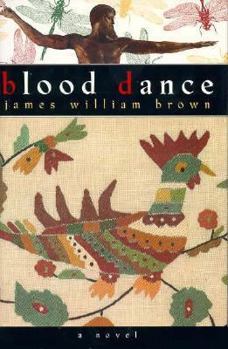
Blood Dance


No Synopsis Available.
Format:Hardcover
Language:English
ISBN:0151132143
ISBN13:9780151132140
Release Date:January 1993
Publisher:Harcourt
Length:258 Pages
Weight:1.10 lbs.
Dimensions:8.6" x 5.8" x 1.0"
Customer Reviews
3 ratings
Atmospheric Greek Drama
Published by Thriftbooks.com User , 23 years ago
James William Brown masterfully recreates the microcosmic atmosphere of warmth, closeness, suspicion and gossip that are intrinsic to any small place where generations of people have lived and worked since the beginning of time. The village, as divided into distinct dramatic choruses of "men" and "women", is as much a character in this story as is "Katrina", the citified, unaccepted archaeologist who marries the village's favorite son, and their silently rebellious daughter, "Amalia", who grows from childhood to womanhood as the story unfolds. Different life altering events trigger different reactions from the main voices; we see the action from the four above-named perspectives. Above all, one thing the inhabitants of the Island agree upon besides their absolute need for a continuance of and adherance to the island's old traditions, is their resistance to change as introduced by the stranger--in this case a young Scandanavian hustler. Intrigued, young Amalia finds herself attracted to what the stranger represents--freedom from her inevitable future as an island woman--escape from the island itself--her needs and desires as mirrored through her actions catapult the village into a whirlwind of reaction that drives the rest of the story and reveals secrets of the past and present that only such an isolated place can store up and preen over like a hoard of buried treasure. I recommend this story as the four distinctive voices move it along brisquely--and yes, with some repetition necessary to complete the cyclical structure as represented by the blood dance itself. This type of tale succeeds in peeling back the holiday ambiance and charm of the white-washed Greek Isle to reveal real people that are true to the Homeric characters of old.
This novel opens one's eyes to a world seldom seen.
Published by Thriftbooks.com User , 26 years ago
Blood Dance provides the reader with an outstanding glimpse into the lives and day-to-day transactions in a very isolated and unique setting. The tiny island and its people are portrayed in intricate detail. The author has obviously researched his topic well, for he has a rather personal understanding of the subject. Amalia, the young lady who is to marry Nikos, is a classic example of a woman who feels tied down to an existance which she does not want. She is on a tiny island, and it is evident that she longs for something bigger; something greater. Her mother, Katina, who fled from Turkish devastaion of her homeland, was and still is treated like a stranger who can never claim to understand the ways of this remote village. She has never been excepted by the people who live there, and she fears that Amalia, her only child, will be trapped as she is. She marries the son of a distinguished family with deep roots in island traditions, although her husband seems somewhat enlightened than most. He dies, and the story begins to focus on Amalia. After Katina's husband, Grigoris, passes on; she is even more isolated and tries to keep the family business going. It seems to her that she can never become part of village society, and now her daughter must endure the same fate. The many perspectives which Mr. Brown uses to get his point across make the book a unique mosaic of personal attitudes, conflicts, and opinions. This reader had a much better understanding of rural life in insular Greece after having read this book twice from cover to cover. On reflection, I wonder how many small communities like that exist anywhere else in the world at any given time. One can only hope that someone will show that community in the same light as Mr. Brown shows the island in Blood Dance.
Voices that resonate
Published by Thriftbooks.com User , 29 years ago
Brown's novel focuses on village life on a Greek island. He uses a similar series of events that are told separately through the voices of the three main characters. This technique adds depth and shows truth from individual perspectives. He also brings in the collective voices of the village women and men. He has captured the essence and layered texture of village life and values, the beauty of the surroundings and the people, and the blood that unites and divides them. This specific ethnic portrayal of one small group of people reflects the universality of their ideals for all who read it. The novel is flawless and the voices are resonant
Copyright © 2026 Thriftbooks.com Terms of Use
| Privacy Policy | Do Not
Sell/Share My Personal Information | Cookie Policy | Cookie Preferences | Accessibility Statement
ThriftBooks® and the ThriftBooks® logo are registered trademarks of Thrift Books Global, LLC
ThriftBooks® and the ThriftBooks® logo are registered trademarks of Thrift Books Global, LLC
