


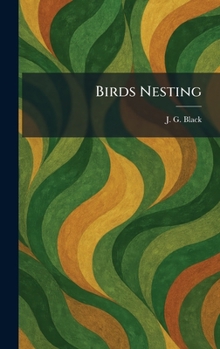
Birds Nesting

"Birds Nesting" is a comprehensive and practical guide to the fascinating world of ornithology, specifically focusing on the nesting habits and reproductive cycles of birds. Written by J.G. Black, this work serves as an essential resource for nature enthusiasts, amateur birdwatchers, and professional naturalists alike. The book provides detailed descriptions of various bird species, their preferred habitats, and the intricate structures they build to protect their young.
With a focus on observation and scientific inquiry, the text delves into the identification of nests and eggs, offering readers a window into the diverse behavioral patterns of avian life. The author emphasizes the importance of field study and the meticulous documentation of natural phenomena, making it a valuable historical document for those interested in the development of nature studies during the early 20th century. Through its clear prose and organized approach, "Birds Nesting" captures the beauty and complexity of the natural world, encouraging a deeper appreciation for the delicate balance of ecosystems. This work remains a significant contribution to the literature of natural history, perfect for anyone seeking to explore the hidden lives of birds in their natural surroundings.
This work has been selected by scholars as being culturally important, and is part of the knowledge base of civilization as we know it. This work was reproduced from the original artifact, and remains as true to the original work as possible. Therefore, you may see the original copyright references, library stamps (as most of these works have been housed in our most important libraries around the world), and other notations in the work.
This work is in the public domain in the United States of America, and possibly other nations. Within the United States, you may freely copy and distribute this work, as no entity (individual or corporate) has a copyright on the body of the work.
As a reproduction of a historical artifact, this work may contain missing or blurred pages, poor pictures, errant marks, etc. Scholars believe, and we concur, that this work is important enough to be preserved, reproduced, and made generally available to the public. We appreciate your support of the preservation process, and thank you for being an important part of keeping this knowledge alive and relevant.
Customer Reviews
ThriftBooks ® and the ThriftBooks ® logo are registered trademarks of Thrift Books Global, LLC
