


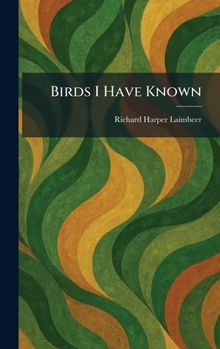
Birds I Have Known

"Birds I Have Known" is an engaging and personal exploration of the avian world as observed by Richard Harper Laimbeer. This work captures the author's intimate experiences and detailed observations of various bird species, particularly those found in the Long Island region. Laimbeer combines the keen eye of a naturalist with a narrative style that makes the study of birds accessible to both the enthusiast and the casual reader.
The book delves into the habits, songs, and nesting behaviors of local birds, offering readers a glimpse into the diverse birdlife of the early twentieth century. Through vivid accounts and a genuine passion for his subjects, Laimbeer advocates for the appreciation and protection of nature's winged inhabitants. "Birds I Have Known" serves as both a historical record of regional biodiversity and a timeless tribute to the joys of birdwatching. Whether discussing the common robin or more elusive species, the work remains a charming example of nature writing that continues to inspire a love for the natural world.
This work has been selected by scholars as being culturally important, and is part of the knowledge base of civilization as we know it. This work was reproduced from the original artifact, and remains as true to the original work as possible. Therefore, you may see the original copyright references, library stamps (as most of these works have been housed in our most important libraries around the world), and other notations in the work.
This work is in the public domain in the United States of America, and possibly other nations. Within the United States, you may freely copy and distribute this work, as no entity (individual or corporate) has a copyright on the body of the work.
As a reproduction of a historical artifact, this work may contain missing or blurred pages, poor pictures, errant marks, etc. Scholars believe, and we concur, that this work is important enough to be preserved, reproduced, and made generally available to the public. We appreciate your support of the preservation process, and thank you for being an important part of keeping this knowledge alive and relevant.
Related Subjects
NatureCustomer Reviews
ThriftBooks ® and the ThriftBooks ® logo are registered trademarks of Thrift Books Global, LLC
