


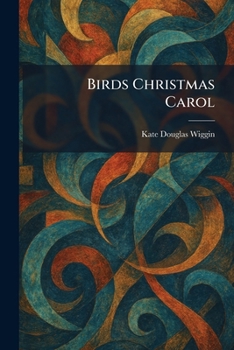
Birds Christmas Carol

"Birds Christmas Carol" is a beloved holiday classic that tells the heartwarming story of Carol Bird, a young girl born on Christmas Day who embodies the spirit of selflessness and joy. Despite being confined to her bed due to illness, Carol remains the light of her household, finding her greatest happiness in bringing cheer to those less fortunate than herself.
The narrative follows Carol's preparations for a grand Christmas celebration for the nine Ruggles children, her neighbors who live in poverty. Through Kate Douglas Wiggin's masterful storytelling, readers are treated to a poignant blend of humor and sentiment as the Ruggles family prepares for their formal dinner, highlighting themes of class, kindness, and the true meaning of the season. This enduring work of Victorian children's literature captures the essence of charity and the profound impact one individual's compassion can have on a community.
A staple of holiday reading for generations, "Birds Christmas Carol" remains a touching exploration of grace and the enduring power of the human spirit. It is a timeless tale that continues to resonate with readers of all ages seeking a story of hope and generosity.
This work has been selected by scholars as being culturally important, and is part of the knowledge base of civilization as we know it. This work was reproduced from the original artifact, and remains as true to the original work as possible. Therefore, you may see the original copyright references, library stamps (as most of these works have been housed in our most important libraries around the world), and other notations in the work.
This work is in the public domain in the United States of America, and possibly other nations. Within the United States, you may freely copy and distribute this work, as no entity (individual or corporate) has a copyright on the body of the work.
As a reproduction of a historical artifact, this work may contain missing or blurred pages, poor pictures, errant marks, etc. Scholars believe, and we concur, that this work is important enough to be preserved, reproduced, and made generally available to the public. We appreciate your support of the preservation process, and thank you for being an important part of keeping this knowledge alive and relevant.
Customer Reviews
ThriftBooks ® and the ThriftBooks ® logo are registered trademarks of Thrift Books Global, LLC
