
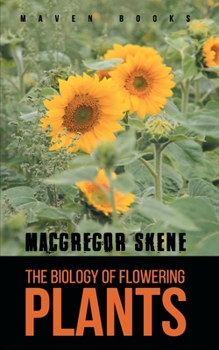
"The Biology of Flowering Plants" is a comprehensive and scholarly examination of the physiological and structural aspects of angiosperms. Written by Macgregor Skene, this classic botanical text delves into the intricate life cycles, reproductive mechanisms, and adaptive strategies of flowering plants. The work provides a detailed exploration of how these plants interact with their environment, covering topics such as water absorption, nutrition, growth, and the complex relationships between form and function.
Divided into systematic sections, the book addresses the fundamental principles of plant biology, making it an essential resource for students and enthusiasts of botany. Skene meticulously outlines the development of tissues and organs, the process of pollination, and the evolutionary success of the flowering plant group. By synthesizing the scientific knowledge of its era, the text offers a clear and organized overview of the biological processes that sustain plant life.
This work remains a significant contribution to the field of natural science, highlighting the diversity and complexity of the botanical world. It serves as both a historical reference and a foundational study for anyone interested in the scientific study of plants and the mechanisms that drive their survival and proliferation.
This work has been selected by scholars as being culturally important, and is part of the knowledge base of civilization as we know it. This work was reproduced from the original artifact, and remains as true to the original work as possible. Therefore, you may see the original copyright references, library stamps (as most of these works have been housed in our most important libraries around the world), and other notations in the work.
This work is in the public domain in the United States of America, and possibly other nations. Within the United States, you may freely copy and distribute this work, as no entity (individual or corporate) has a copyright on the body of the work.
As a reproduction of a historical artifact, this work may contain missing or blurred pages, poor pictures, errant marks, etc. Scholars believe, and we concur, that this work is important enough to be preserved, reproduced, and made generally available to the public. We appreciate your support of the preservation process, and thank you for being an important part of keeping this knowledge alive and relevant.

