


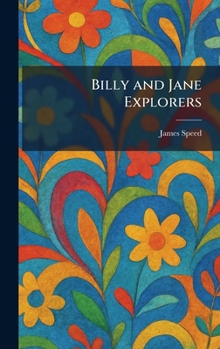
Billy and Jane Explorers

"Billy and Jane Explorers" is an engaging nature-study narrative designed to inspire curiosity about the natural world in young readers. The work follows the adventures of two curious children, Billy and Jane, as they venture into the outdoors to observe the wonders of plants, animals, and the environment around them. Through their eyes, readers are introduced to the fundamental principles of biology and ecology, presented in a way that is both accessible and entertaining.
James Speed's writing serves as an excellent example of early 20th-century educational literature, emphasizing the importance of direct observation and the joy of discovery. Each chapter focuses on different aspects of the wilderness-from the habits of birds and insects to the growth of various flora-encouraging children to become active participants in their own learning. The text highlights the beauty of the landscape and the intricate balance of nature, making it a timeless resource for parents and educators interested in fostering a love for science and the great outdoors. This classic work remains a charming testament to the value of exploration and the enduring appeal of the natural world, capturing a sense of wonder that resonates across generations.
This work has been selected by scholars as being culturally important, and is part of the knowledge base of civilization as we know it. This work was reproduced from the original artifact, and remains as true to the original work as possible. Therefore, you may see the original copyright references, library stamps (as most of these works have been housed in our most important libraries around the world), and other notations in the work.
This work is in the public domain in the United States of America, and possibly other nations. Within the United States, you may freely copy and distribute this work, as no entity (individual or corporate) has a copyright on the body of the work.
As a reproduction of a historical artifact, this work may contain missing or blurred pages, poor pictures, errant marks, etc. Scholars believe, and we concur, that this work is important enough to be preserved, reproduced, and made generally available to the public. We appreciate your support of the preservation process, and thank you for being an important part of keeping this knowledge alive and relevant.
Customer Reviews
ThriftBooks ® and the ThriftBooks ® logo are registered trademarks of Thrift Books Global, LLC
