


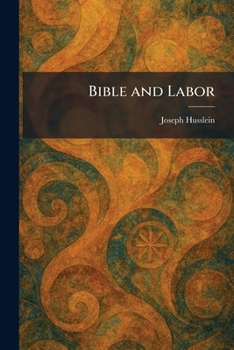
Bible and Labor

"Bible and Labor" is a profound exploration of the intersection between sacred scripture and the historical development of labor rights. This work examines the evolution of work from the dawn of creation through the biblical eras of the Old and New Testaments, providing a comprehensive analysis of how the Bible addresses the dignity of human effort, the rights of the worker, and the moral responsibilities of the employer.
The text delves into specific biblical narratives and legal codes to illustrate a divine framework for economic justice. It traces the transition from ancient forms of servitude to the rise of free labor, emphasizing the transformative impact of Christian ethics on social structures. By bridging the gap between ancient theology and modern industrial concerns, the work offers timeless insights into the spiritual value of labor and the pursuit of a just society. "Bible and Labor" serves as both a detailed historical study and a moral guide for understanding the religious foundations of social activism and the enduring quest for fair treatment in the workplace.
This work has been selected by scholars as being culturally important, and is part of the knowledge base of civilization as we know it. This work was reproduced from the original artifact, and remains as true to the original work as possible. Therefore, you may see the original copyright references, library stamps (as most of these works have been housed in our most important libraries around the world), and other notations in the work.
This work is in the public domain in the United States of America, and possibly other nations. Within the United States, you may freely copy and distribute this work, as no entity (individual or corporate) has a copyright on the body of the work.
As a reproduction of a historical artifact, this work may contain missing or blurred pages, poor pictures, errant marks, etc. Scholars believe, and we concur, that this work is important enough to be preserved, reproduced, and made generally available to the public. We appreciate your support of the preservation process, and thank you for being an important part of keeping this knowledge alive and relevant.
Customer Reviews
ThriftBooks ® and the ThriftBooks ® logo are registered trademarks of Thrift Books Global, LLC
