


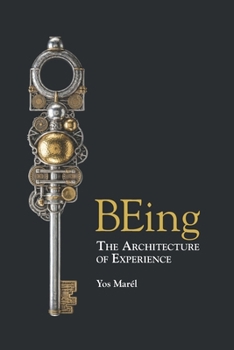
BEing: The Architecture of Experience

BEing: The Architecture of Experience explores how the texture of daily life can shift from exhausted performance to conscious design-by noticing that experience is not only something you go through, but something you can actively configure from within. If your roles feel like masks, or your life feels like a script you didn't author, this map is for you.
Everything here is shared as an offering: take what resonates, leave what doesn't, and let the meanings evolve as your awareness unfolds.About the Book
BEing is written as companionship-one traveler speaking to another. It gathers frameworks, distinctions, and practices for readers moving through life transitions, shifts, or the quiet fatigue of high-functioning performance. It does not ask for adherence to a doctrine or a new belief system. It offers an architecture you can try, revise, and make your own.
What You'll Explore
Notice the often-invisible inner shaping dynamic that influences moment-to-moment experience.Move from role-based performance and validation-seeking toward authentic alignment.Examine how words construct perception through "Verbal Architecture."Experiment with attention and intention as a practical steering mechanism.Relate to worthiness as intrinsic-something to recognize and express rather than earn or prove.Tune inherent faculties (Mastery, Awareness, Will, Wisdom, Oneness, Creativity) rather than treating yourself as broken.Use feedback as data-moving from self-judgment toward real-time calibration.
How It Works
The Framework: At the core of the book is a seven-stage roadmap that traces how raw potential becomes lived experience. It offers a way to notice where limitation often enters-through unquestioned beliefs and assumptions, how perception is framed, and where focus is placed-so experience can shift through clarity rather than force.
About the Author
Yos draws from lived experience across military service, years of leadership and service-oriented work across many cultures, indigenous insight, and a long season of inner struggle through depression and loss. After stepping away from ministry, he began assembling the models in this book as a way to make sense of experience from the inside out-less as answers to follow, and more as tools for inquiry.
This book is offered as a conversation and a tool-an invitation to reclaim authority, autonomy, and authorship in the way you live.
Customer Reviews
ThriftBooks ® and the ThriftBooks ® logo are registered trademarks of Thrift Books Global, LLC
