


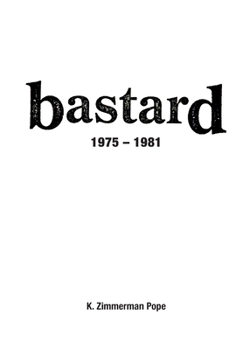
Bastard: 1975 - 1981

Bastard A coming of age novel set in southeastern Virginia in a long shadow of uncertainty during the late 1970s early 1980s.
Holland E. Patterson, called Hep, is growing up where fathers disappear, childhood ends early, and boys learn how to survive long before they learn why. Raised by a single mother stretched thin by work and circumstance, and a sister facing her own set of obstacles, Hep comes of age in a neighborhood governed by unwritten social rules, quiet violence, and the weight of what goes unsaid.
Hep and his friends steal, laugh, fight, and survive their way through a landscape shaped by housing projects, schools that expect little, and churches that offer both refuge and contradiction. Authority arrives late. Consequences arrive early. And every lesson, whether learned through violence, love, or loss, leaves a mark. Hep pushes back against the expectation the world sets for him while navigating and building his on expectations for himself. Friendship becomes protection. Music becomes refuge. Memory and cultural trauma becomes inheritance.
Bastard offers no soft landing, its emotional honesty is merciless. It does not seek to explain poverty and fatherlessness but show how young boys develop under these conditions. It does not seek to explain itself, just give an episodic view of the structural conformity built into the social, institutional, cultural and physical spaces its characters occupy.
Unflinching, intimate, and deeply humane, Bastard is a patient portrait of Black boyhood rarely rendered with such transparency and honesty. Written with clarity, restraint, and fierce authenticity, Bastard refuses easy answers or sentimental resolutions. Instead, it offers something rare, a truthful account of how boys are shaped by the worlds that raise them-and trauma they inherit.
Customer Reviews
ThriftBooks ® and the ThriftBooks ® logo are registered trademarks of Thrift Books Global, LLC
