


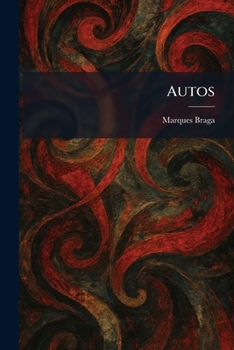
Autos

Select Format
Select Condition 
Book Overview
"Autos" presents a foundational collection of dramatic works that defined the early landscape of Iberian literature. Compiled and studied by the noted scholar Marques Braga, this volume delves into the "auto"-a unique genre of short plays characterized by their allegorical depth, religious significance, and satirical wit. These works represent a crucial transition in European theater, bridging the gap between medieval liturgical drama and the secular humanism of the Renaissance.
The "Autos" explore a wide array of themes, from the complexities of Christian morality to the social dynamics of the period. By utilizing symbolic figures and vibrant, rhythmic language, the plays offer a profound commentary on the human condition and the religious fervor of the age. This work is especially valued for its preservation of the linguistic nuances and cultural traditions of the era. As a key text in the study of early modern drama, "Autos" provides essential insights into the structural evolution of the stage and the enduring power of allegorical storytelling. This collection remains an indispensable resource for scholars of Portuguese literature and the history of performing arts.
This work has been selected by scholars as being culturally important, and is part of the knowledge base of civilization as we know it. This work was reproduced from the original artifact, and remains as true to the original work as possible. Therefore, you may see the original copyright references, library stamps (as most of these works have been housed in our most important libraries around the world), and other notations in the work.
This work is in the public domain in the United States of America, and possibly other nations. Within the United States, you may freely copy and distribute this work, as no entity (individual or corporate) has a copyright on the body of the work.
As a reproduction of a historical artifact, this work may contain missing or blurred pages, poor pictures, errant marks, etc. Scholars believe, and we concur, that this work is important enough to be preserved, reproduced, and made generally available to the public. We appreciate your support of the preservation process, and thank you for being an important part of keeping this knowledge alive and relevant.
Customer Reviews
ThriftBooks® and the ThriftBooks® logo are registered trademarks of Thrift Books Global, LLC
