


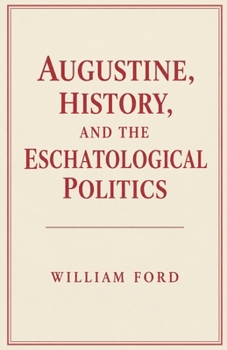
Augustine, History, and the Eschatological Politics

Few figures in the history of Christian thought have exercised a more enduring influence on the understanding of history, politics, and the destiny of human societies than Augustine of Hippo. Writing during the final decades of Roman imperial predominance in the West and amid the profound uncertainties that accompanied the transformation of the ancient world, Augustine confronted questions that had become unavoidable for educated Romans and Christians alike. Why do empires rise and fall? What meaning, if any, can be discerned within the apparently chaotic succession of historical events? Can political communities participate in a divine purpose unfolding through time? Is history moving toward a fulfillment that may be realized within earthly institutions, or does ultimate redemption lie beyond every human order? Such questions pressed upon Augustine with particular urgency after the sack of Rome in 410, but they had been forming throughout centuries of intellectual, religious, and political development. His response would become one of the most influential interpretations of history ever produced in late antiquity. This book examines Augustine's reflections on history and politics through the lens of what may be called eschatological politics. By this phrase is meant any attempt to identify a particular political community, empire, regime, or institutional order with the realization of humanity's ultimate destiny.
Customer Reviews
ThriftBooks ® and the ThriftBooks ® logo are registered trademarks of Thrift Books Global, LLC
