


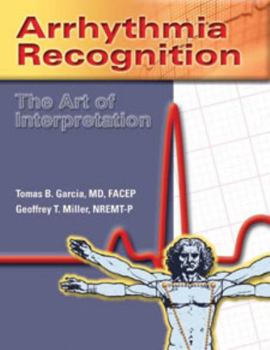
Arrhythmia Recognition: The Art of Interpretation: The Art of Interpretation

2004 AJN BOOK OF THE YEAR AWARD WINNER An American Journal of Nursing 2004 Book of the Year Arrhythmia Recognition: The Art of Interpretation uses hundreds of four-color graphics to communicate the complex topics related to arrhythmia recognition. The text focuses on the pathophysiological mechanisms involved in the formation and maintenance of complex arrhythmias and on their clinical recognition. Each rhythm strip provides a descriptive table outlining the various abnormalities in a logical, easy-to-follow sequence. In addition, there are analytical narratives outlining what providers should consider when approaching the strip. The tables and analytical narratives are intended to formulate functional interpretative skills to consider when approaching a complex arrhythmia in a clinical situation.
Format:Paperback
Language:English
ISBN:0763722464
ISBN13:9780763722463
Release Date:November 2003
Publisher:Jones & Bartlett Learning, LLC
Length:633 Pages
Weight:3.20 lbs.
Dimensions:10.5" x 0.8" x 9.0"
Related Subjects
Cardiology Clinical Diagnosis Emergency Medicine Internal Medicine Medical Medical Books MedicineCustomer Reviews
2 ratings
Best EKG book - Hands Down
Published by Thriftbooks.com User , 16 years ago
This text is excellent for the beginner or novice to EKG. As a Paramedic I use the skills I learned through this book daily. It is not dry at all, has humorous comments, and it gives plenty of examples to sharpen your skills.
Look no further to master arrhythmia recognition
Published by Thriftbooks.com User , 21 years ago
Arrhythmia recognition is the toughest part of EKG interpretation. Most books that teach it do so by illustrating each arrhythmia with a strip or two, usually using ideal examples. This approach leaves the reader ill prepared to recognize the variations that crop up in practice. The philosophy of this book is "you can't really know an arrhythmia unless you see it over and over". This book covers all the atrial and ventricular arrhythmias. Each brief but thorough chapter concisely explains the electrophysiology of the abnormal rhythm, well illustrated by copious full color graphics, and ends with a series of analyzed strips and EKGs that show the arrythmia in all its possible presentations. As an example, I've always had a problem with recognizing atrial flutter at 2:1 conduction (anybody can recognize the 'saw tooth' pattern at higher ratios). After reading the chapter on the subject, I had it down cold. There are also quizzes and practice EKGs to drive home the skill, and the book has a corresponding Web site with further resources. Highly recommended.
Copyright © 2026 Thriftbooks.com
Terms of Use | Privacy Policy | Do Not Sell/Share My Personal Information | Cookie Policy | Cookie Preferences | Accessibility Statement
ThriftBooks ® and the ThriftBooks ® logo are registered trademarks of Thrift Books Global, LLC
ThriftBooks ® and the ThriftBooks ® logo are registered trademarks of Thrift Books Global, LLC
