


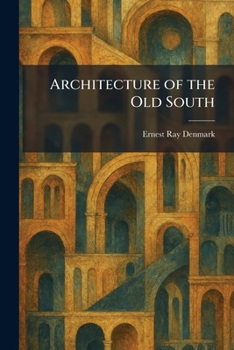
Architecture of the Old South

"Architecture of the Old South" is a comprehensive visual and descriptive study of the distinct architectural heritage found throughout the Southern United States. Authored by Ernest Ray Denmark, this work serves as an essential record of the elegant homes, public buildings, and plantation estates that defined the region's aesthetic landscape during its formative centuries.
Through a series of detailed plates and insightful commentary, the book explores various stylistic influences, ranging from grand Greek Revival mansions to refined Colonial structures. Denmark highlights the unique craftsmanship and structural innovations necessitated by the Southern climate and social fabric. The volume emphasizes the symmetry, proportion, and ornamental detail that characterize the classic Southern style, providing a valuable resource for architects, historians, and admirers of traditional design.
This work remains a significant contribution to the study of American regional architecture, capturing the spirit of a bygone era and documenting buildings of immense historical and cultural importance. Whether examining the soaring columns of a portico or the intricate woodwork of an interior, "Architecture of the Old South" offers a timeless look at the grace and grandeur of Southern building traditions.
This work has been selected by scholars as being culturally important, and is part of the knowledge base of civilization as we know it. This work was reproduced from the original artifact, and remains as true to the original work as possible. Therefore, you may see the original copyright references, library stamps (as most of these works have been housed in our most important libraries around the world), and other notations in the work.
This work is in the public domain in the United States of America, and possibly other nations. Within the United States, you may freely copy and distribute this work, as no entity (individual or corporate) has a copyright on the body of the work.
As a reproduction of a historical artifact, this work may contain missing or blurred pages, poor pictures, errant marks, etc. Scholars believe, and we concur, that this work is important enough to be preserved, reproduced, and made generally available to the public. We appreciate your support of the preservation process, and thank you for being an important part of keeping this knowledge alive and relevant.
Customer Reviews
ThriftBooks ® and the ThriftBooks ® logo are registered trademarks of Thrift Books Global, LLC
