


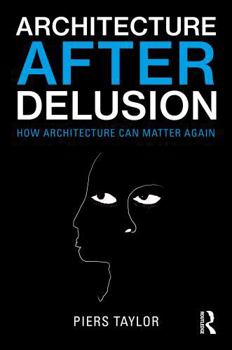
Architecture After Delusion: How Architecture Can Matter Again

Architecture After Delusion is an argument with architecture from inside the discipline. It begins with a simple suspicion: architecture has spent too long mistaking self-importance for value. Architects have exaggerated both their own agency and the capacity of individual buildings to change the world, while overlooking the wider systems through which places are actually made. The book also turns its attention to the culture that sustains this inflation: awards, publication, social media, professional status and the endless circulation of claims through which architects reassure one another that what they do is important.
At its heart is a different question for architecture: not simply what does a building look like, or what does the architect claim it means, but what does it actually do? What does it enable or obstruct? Can it be repaired, adapted and claimed by others? Does it support ordinary dignity, public life, local knowledge or collective action?
Architects still matter because spatial questions matter, but architecture alone cannot save the world, own the outcome or be the sole cause of change in order to matter. However, architecture's soft knowledge and dependence on a web of relation is what makes it interesting and useful
This is not an argument for less architecture, or for less ambition. It is an argument for less vanity, less overclaiming and less dependence on the mirror of architectural culture.
Related Subjects
ArchitectureCustomer Reviews
ThriftBooks ® and the ThriftBooks ® logo are registered trademarks of Thrift Books Global, LLC
