


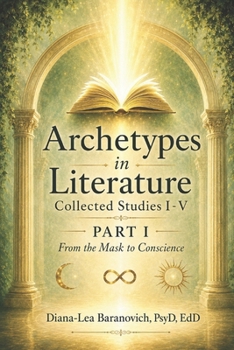
Archetypes In Literature: Collected Studies I - V: Part One: From the Mask To Conscience

Stories endure because they reveal more than plot.
Beneath every conversation, every choice and every turning point, something deeper is unfolding. Identity forms. Desire awakens. Conscience speaks. Human beings struggle with love, loss, freedom, responsibility and the search for meaning. Across centuries, these psychological movements continue to shape both literature and our own lives.
Archetypes in Literature: Collected Studies Part I explores five great literary voices through the lens of depth psychology. William Shakespeare examines the formation of persona and shadow. Edgar Allan Poe enters the enclosed chambers of guilt, obsession and psychological collapse. John Steinbeck reveals dignity and endurance under hardship. D. H. Lawrence explores vitality, embodiment and human relationship. Fyodor Dostoyevsky turns inward toward conscience, freedom and moral responsibility.
Each Study may be read independently. Together, they trace a larger psychological journey from the masks we wear to the awakening of conscience, revealing the archetypal patterns that shape identity, suffering, transformation and the enduring complexity of human experience.
Blending literary scholarship with Jungian depth psychology, this volume invites readers to encounter classic literature not simply as stories from the past, but as living psychological landscapes that continue to illuminate the inner life today.
This is the first of two collected volumes in the Archetypes in Literature series, presenting Studies I-V. The journey continues in Part II through the works of Anton Chekhov, Tennessee Williams, Arthur Miller, Hilda Vaughan and H. G. Wells.
Too loing
I agree. A back cover should be about 150 words, not 300.
Here's a tighter version:
Stories endure because they reveal more than plot. Beneath every choice, every relationship and every conflict, archetypal patterns shape identity, desire, suffering and transformation.
Archetypes in Literature: Collected Studies Part I explores five classic authors through the lens of depth psychology. William Shakespeare examines persona and shadow. Edgar Allan Poe enters the enclosed chambers of guilt and psychological collapse. John Steinbeck reveals dignity and endurance. D. H. Lawrence explores vitality and human relationship. Fyodor Dostoyevsky turns inward toward conscience, freedom and moral responsibility.
Each Study may be read independently. Together, they trace a psychological journey from the masks we wear to the awakening of conscience, revealing how the same forces that shape great literature continue to shape our own lives.
The first of two collected volumes in the Archetypes in Literature series.
Customer Reviews
ThriftBooks ® and the ThriftBooks ® logo are registered trademarks of Thrift Books Global, LLC
