


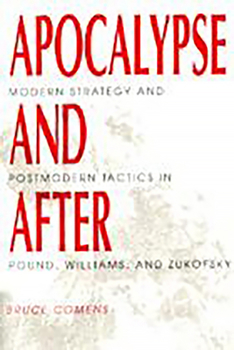
Apocalypse and After: Modern Strategy and Postmodern Tactics in Pound, Williams, and Zukofsky

A critical study of apocalyptic imagination and its role in shaping contemporary literary and cultural discourse.
Apocalypse and After by Bruce Comens is a probing and intellectually nuanced study of how contemporary literature confronts the concept of catastrophe and its lingering consequences. Focusing on modern and late twentieth-century fiction, Comens investigates the narrative and thematic significance of the apocalypse--not merely as an event of destruction, but as a mode through which writers engage questions of meaning, identity, and cultural transformation.
Through close readings of selected works, the book explores how authors represent crisis in its many forms, including technological anxiety, environmental collapse, social fragmentation, and existential uncertainty. Comens demonstrates that apocalyptic narratives, far from signaling simple endings, often function as critical frameworks for examining the values, contradictions, and tensions embedded within modern life. These texts open new spaces for reflection, reinvention, and critique.
Blending literary analysis with broader cultural commentary, Apocalypse and After situates its discussion within the contexts of postmodernism and contemporary critical theory. The study sheds light on how narrative form, language, and symbolism evolve in response to a world increasingly shaped by rapid change and pervasive uncertainty.
This book offers a compelling contribution to the study of modern literature and cultural criticism. It will be of particular interest to scholars and students of American literature, comparative literature, and the interdisciplinary study of culture, crisis, and representation.
Customer Reviews
ThriftBooks ® and the ThriftBooks ® logo are registered trademarks of Thrift Books Global, LLC
