


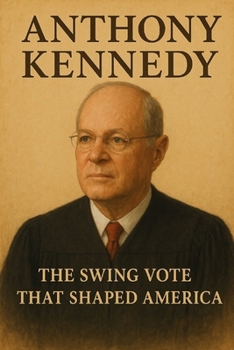
Anthony Kennedy: The Swing Vote That Shaped America

On a warm June morning in 2015, Anthony McLeod Kennedy sat in his chambers at the Supreme Court of the United States, putting the finishing touches on what would become one of the most consequential opinions in American legal history. The case was Obergefell v. Hodges, and the question before the Court was whether same-sex couples had a constitutional right to marry. As Kennedy crafted his final paragraphs, he was acutely aware that his words would not merely decide a legal question-they would reshape the lives of millions of Americans and redefine the very meaning of marriage in the twenty-first century.
The closing passage of that opinion, which Kennedy would read from the bench just days later, captured the essence of his judicial philosophy and the romantic idealism that had guided his three decades on the nation's highest court:
"No union is more profound than marriage, for it embodies the highest ideals of love, fidelity, devotion, sacrifice and family. In forming a marital union, two people become something greater than once they were."Customer Reviews
ThriftBooks® and the ThriftBooks® logo are registered trademarks of Thrift Books Global, LLC
