


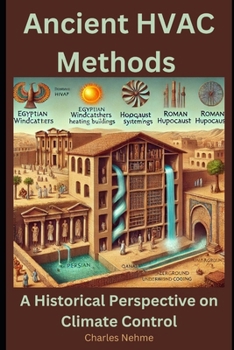
Ancient HVAC Methods: A Historical Perspective on Climate Control

Throughout history, humans have sought ways to control their indoor environments, long before the advent of modern HVAC systems. Ancient civilizations, relying on ingenuity and a deep understanding of natural forces, developed sophisticated heating, cooling, and ventilation techniques to create comfortable living spaces. These methods, rooted in passive design principles, utilized materials, architectural layouts, and natural airflow to regulate temperatures effectively.
From the wind catchers of Persia to the hypocaust systems of Rome, and from the underground qanats of the Middle East to the stepwells of India, each civilization adapted its approach to its climate and resources. The lessons from these early systems continue to inspire modern sustainable building designs, emphasizing energy efficiency, thermal mass utilization, and passive cooling strategies.
This book explores these ancient HVAC techniques, shedding light on how our ancestors engineered comfort without electricity or fossil fuels. By understanding these time-tested methods, we can gain valuable insights into sustainable practices for the future of building design.
Customer Reviews
ThriftBooks® and the ThriftBooks® logo are registered trademarks of Thrift Books Global, LLC
