


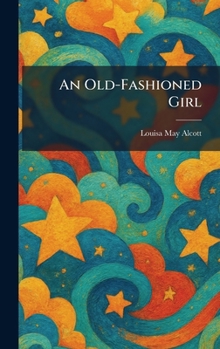
An Old-Fashioned Girl

"An Old-Fashioned Girl" is a heartwarming coming-of-age story that explores the virtues of simplicity, kindness, and integrity in a world often preoccupied with status and style. The narrative follows Polly Milton, a sensible and warm-hearted country girl who travels to the city to visit her wealthy friend, Fanny Shaw. Initially overwhelmed by the Shaws' fashionable lifestyle and preoccupation with material wealth, Polly remains steadfast in her modest values, eventually earning the respect and affection of the entire family through her genuine nature.
As the story progresses into the characters' adulthood, Louisa May Alcott examines the challenges of social expectations and the necessity of self-reliance. When the Shaw family faces unexpected financial hardships and personal trials, it is Polly's enduring spirit and moral strength that serve as a stabilizing force. This classic tale offers a poignant look at 19th-century American life, emphasizing that true beauty and success are found in character rather than superficial trends. Through its engaging portrayal of friendship and growth, "An Old-Fashioned Girl" remains a timeless celebration of being true to oneself and the value of a life lived with purpose.
This work has been selected by scholars as being culturally important, and is part of the knowledge base of civilization as we know it. This work was reproduced from the original artifact, and remains as true to the original work as possible. Therefore, you may see the original copyright references, library stamps (as most of these works have been housed in our most important libraries around the world), and other notations in the work.
This work is in the public domain in the United States of America, and possibly other nations. Within the United States, you may freely copy and distribute this work, as no entity (individual or corporate) has a copyright on the body of the work.
As a reproduction of a historical artifact, this work may contain missing or blurred pages, poor pictures, errant marks, etc. Scholars believe, and we concur, that this work is important enough to be preserved, reproduced, and made generally available to the public. We appreciate your support of the preservation process, and thank you for being an important part of keeping this knowledge alive and relevant.
Customer Reviews
ThriftBooks ® and the ThriftBooks ® logo are registered trademarks of Thrift Books Global, LLC
