


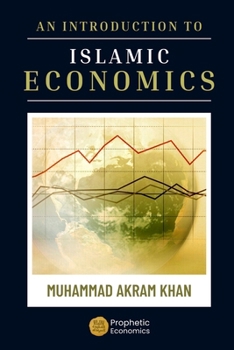
An Introduction to Islamic Economics

In a world where economic systems continue to fail the majority, this work offers a structured, ethical, and spiritually grounded alternative. Written by an economist with deep roots in both classical scholarship and modern finance, it shows how Islamic teachings address real-world issues like poverty, inequality, financial injustice, and the moral crises of consumerism.
The book lays out the principles of Islamic economics in plain terms, introducing readers to concepts like Zakat, riba-free finance, waqf, and the role of the state-not as abstract ideals but as workable mechanisms for a just society. Without resorting to jargon, it connects Qur'anic values to themes like fiscal policy, environmental ethics, and wealth distribution, making it meaningful for both students and everyday readers.
With chapters that balance theory and application, this is a practical guide for those seeking answers that go beyond spreadsheets and statistics. Whether you're exploring alternatives to capitalism or searching for a model where ethics meet economics, this book provides a measured and hopeful starting point.
Written by a seasoned expert in the field, it draws from years of research and teaching, offering not just critique but clear direction. If you're looking for a financial framework rooted in accountability, compassion, and divine guidance, this book is worth your time.
Customer Reviews
ThriftBooks® and the ThriftBooks® logo are registered trademarks of Thrift Books Global, LLC
