


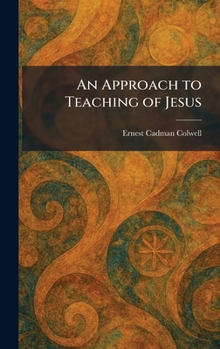
An Approach to Teaching of Jesus

"An Approach to Teaching of Jesus" provides a thoughtful and scholarly examination of the methodologies and core messages associated with the historical Jesus. In this insightful work, Ernest Cadman Colwell explores the complexities of interpreting the New Testament gospels, aiming to provide a clear framework for understanding the radical nature of Jesus's ministry and his unique pedagogical style.
The book delves into the linguistic, social, and cultural contexts of the first century, offering a rigorous foundation for analyzing the parables, ethical dictates, and the overarching theme of the Kingdom of God. By focusing on the structural and thematic elements found within the gospel narratives, the author assists educators, theologians, and students of biblical history in navigating the challenges of historical-critical analysis. The text highlights how Jesus's teachings were crafted to impact his original audience and how those same messages continue to hold profound literary and spiritual significance.
"An Approach to Teaching of Jesus" is a valuable contribution to the field of New Testament studies, offering a disciplined perspective on how the wisdom of the gospels can be communicated with clarity and depth. It remains an essential resource for those seeking a deeper academic and theological understanding of the foundations of Christian thought.
This work has been selected by scholars as being culturally important, and is part of the knowledge base of civilization as we know it. This work was reproduced from the original artifact, and remains as true to the original work as possible. Therefore, you may see the original copyright references, library stamps (as most of these works have been housed in our most important libraries around the world), and other notations in the work.
This work is in the public domain in the United States of America, and possibly other nations. Within the United States, you may freely copy and distribute this work, as no entity (individual or corporate) has a copyright on the body of the work.
As a reproduction of a historical artifact, this work may contain missing or blurred pages, poor pictures, errant marks, etc. Scholars believe, and we concur, that this work is important enough to be preserved, reproduced, and made generally available to the public. We appreciate your support of the preservation process, and thank you for being an important part of keeping this knowledge alive and relevant.
Customer Reviews
ThriftBooks ® and the ThriftBooks ® logo are registered trademarks of Thrift Books Global, LLC
