


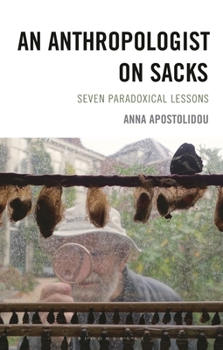
An Anthropologist on Sacks: Seven Paradoxical Lessons

What can a neurologist like Oliver Sacks teach us about anthropology? And how has anthropological thinking been quietly operating in his work all along?
An Anthropologist on Sacks reads Sacks as a profoundly anthropological thinker whose neurological case histories function as ethnographic encounters, grounded in attention, participation, narrative breadth, and ethical presence. Drawing on Sacks's published writings, correspondence, and lesser-read reflections, the book traces the implicit methodological and epistemic affinities between his medical practice and the anthropological imagination. It argues that Sacks's humanist science, characterized by an embrace of paradox, constitutes a mode of knowing that resists reduction, honors lived experience, and treats (neuro)diversity not as deficit but as a way of being in the world. Through close readings of his tales, prose, and methodological choices, An Anthropologist on Sacks makes a case for the enduring relevance of Sacks's approach to knowing: one attentive to complexity, ethically engaged with difference, and committed to holding incompatible truths together.
At once a critical intervention and a measured tribute, the book invites readers to reconsider Oliver Sacks as a remarkable writer whose work speaks with particular urgency to anthropology today-and to broader debates about how humane knowledge might still be relevant.
Customer Reviews
ThriftBooks ® and the ThriftBooks ® logo are registered trademarks of Thrift Books Global, LLC
