


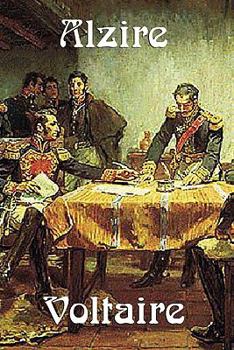
Alzire

Select Format
Select Condition 
Book Overview
Voltaire's Alzire, translated by William F. Fleming, is an eighteenth-century tragedy of conquest, faith, love, and moral conflict set in Peru in the aftermath of the Spanish conquest. Alzire, daughter of an Inca ruler, is caught between loyalty to her people, Christian conversion, political duty, and her love for Zamore, a native leader believed lost to Spanish violence. When Zamore returns, the private drama of love and jealousy becomes inseparable from the larger clash between empire, religion, forgiveness, and brute force.
First performed in 1736, Alzire, ou les Am ricains became one of Voltaire's notable tragedies and one of his important dramatic treatments of colonial violence, religious conscience, and humanitarian ideals. Set in Lima, the play uses the conventions of French classical tragedy to examine European conquest, forced conversion, native dignity, and the moral claims of mercy over domination. Readers of Enlightenment drama, French literature, colonial history, Voltaire, philosophical theatre, and eighteenth-century tragedy will find in Alzire a powerful example of the stage as a vehicle for moral and political argument. Voltaire's treatment of Peru and the Spanish conquest reflects the assumptions of his own age, but the play's concern with power, conscience, and human dignity remains historically significant.
Customer Reviews
ThriftBooks ® and the ThriftBooks ® logo are registered trademarks of Thrift Books Global, LLC
