


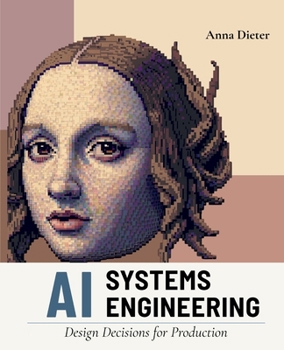
AI Systems Engineering: Design Decisions for Production

AI Systems Engineering: Design Decisions for Production is for the engineer who has already seen the gap between an impressive AI demo and a reliable production system and is tired of learning the hard lessons the expensive way. When LLM features seem to work in development but break under real traffic, real users, real cost constraints, and real operational complexity, the problem usually is not the model. It is the system around it.
This book shows you how to close that gap.
Rather than rehashing prompt tips or framework tutorials, AI Systems Engineering focuses on the design decisions that determine whether an AI product becomes dependable, maintainable, and cost-effective in production. It treats AI systems as systems, with architectural tradeoffs, evaluation challenges, reliability concerns, safety risks, and operational realities that most books gloss over.
Inside this book, you'll learn how to:
Design AI systems that account for non-determinism instead of pretending it does not existAvoid the prototype trap and make stronger production decisions earlierBuild evaluation frameworks that catch real failures before users doTreat context engineering as a core architectural concern, not an afterthoughtBalance cost, quality, and latency without guessingDecide when to use RAG, fine-tuning, routing, agents, or simpler pipelinesIntegrate LLM systems with real data sources, APIs, authentication, and application layersImprove production reliability with monitoring, fallback strategies, regression testing, and operational guardrailsApproach safety as a system design problem, especially in tool-using and agentic workflowsAlong the way, you'll build and use:
Practical decision frameworks for architecture, model selection, and deployment tradeoffsMinimal viable evaluation suites, dataset templates, scoring rubrics, and production readiness checklistsReal-world design exercises and detailed case studies, including a knowledge base chatbot, a code review agent, and a customer support systemThis book is written for software engineers, technical leads, and builders working on real AI products, especially those who have moved beyond beginner tutorials and now need systems that can survive production conditions. If you want a book about model internals or research theory, this is not that book. If you want a practical guide to making AI systems reliable, testable, and deployable under real-world constraints, this book offers the engineering thinking most teams only gain after painful experience.
Customer Reviews
ThriftBooks ® and the ThriftBooks ® logo are registered trademarks of Thrift Books Global, LLC
