


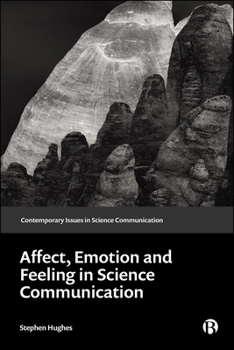
Affect, Emotion, and Feeling in Science Communication
No Customer Reviews

The hardest problems facing science communication today are emotional ones. Conspiracy theories, vaccine hesitancy and technology hype resist conventional engagement approaches because they are driven by powerful feelings of anxiety, mistrust, grief and desire.
Drawing on psychoanalysis, science and technology studies and sociology of emotion, this book shows why these problems have thus far resisted solution and how a better understanding of their affective dynamics can lead us towards emotionally mature engagement with science.
The book offers conceptual and practical resources to help scholars and practitioners better understand and respond to the emotional realities of contemporary science-technology-society relations.
Format:Hardcover
Language:English
ISBN:1529244544
ISBN13:9781529244540
Release Date:May 2027
Publisher:Bristol University Press
Length:208 Pages
Customer Reviews
0 rating
Copyright © 2026 Thriftbooks.com
Terms of Use | Privacy Policy | Do Not Sell/Share My Personal Information | Cookie Policy | Cookie Preferences | Accessibility Statement
ThriftBooks ® and the ThriftBooks ® logo are registered trademarks of Thrift Books Global, LLC
ThriftBooks ® and the ThriftBooks ® logo are registered trademarks of Thrift Books Global, LLC
