


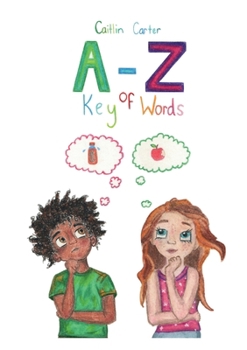
A-Z of Key Words

A-Z of Key Words is a supportive communication resource designed for families and educators of early learners and individuals with developing language skills. This book has been thoughtfully created as a practical tool for neurodivergent learners and minimally verbal individuals as they begin to develop and explore language, alongside healthy and respectful communication practices. Families and educators are encouraged to use this book as a shared reading and modelling tool to support everyday communication.
Each word has been carefully selected to represent a letter of the alphabet, with close consideration given to its importance and real-life applicability within a minimally verbal person's vocabulary. Recognising that early language development may involve limited expressive resources, words have been prioritised based on their functional value in everyday situations where communication is essential. For example, words such as help, open, and stop have been chosen for their simplicity and necessity in expressing needs, wants, and boundaries.
The illustrations in A-Z of Key Words have been intentionally designed to be simple, engaging, and supportive of comprehension. Clean designs and plain backgrounds help to minimise visual overwhelm, while bright colours support engagement and attention. Illustrations depict children in familiar, real-life scenarios where each word may naturally be used, providing a literal and accessible understanding of meaning. This approach avoids metaphorical representations, which can be confusing for early learners and neurodivergent individuals.
For example, the letter S is represented by the word stop. The accompanying illustration shows a child using the sign for "stop" as another person reaches for his colouring pencils. This visual supports the understanding of boundaries and encourages healthy communication, particularly in situations where sharing is still a developing skill.
Originally designed for use in therapeutic settings, A-Z of Key Words is also well suited for use in homes, schools, and any environment where early language development and supportive communication are nurtured.
Customer Reviews
ThriftBooks ® and the ThriftBooks ® logo are registered trademarks of Thrift Books Global, LLC
