


A Short History of the World


Select Format
Select Condition 
Book Overview
H.G. Wells' "A Short History of the World" offers a sweeping and accessible overview of world history, from the dawn of civilization to the early 20th century. A classic work by a master storyteller, this volume presents a compelling narrative of humanity's journey across continents and through the ages.
Explore the rise and fall of ancient civilizations, the shaping of empires, and the key events that have defined our world. Wells distills complex historical trends into a clear and engaging account, making this book an ideal starting point for anyone interested in understanding the broad sweep of human history. A foundational text in the study of world history, "A Short History of the World" remains a valuable resource for students, history buffs, and anyone seeking a comprehensive understanding of the forces that have shaped our present. Experience the grand narrative of humankind in this meticulously prepared print edition.This work has been selected by scholars as being culturally important, and is part of the knowledge base of civilization as we know it.
This work is in the public domain in the United States of America, and possibly other nations. Within the United States, you may freely copy and distribute this work, as no entity (individual or corporate) has a copyright on the body of the work.
Scholars believe, and we concur, that this work is important enough to be preserved, reproduced, and made generally available to the public. We appreciate your support of the preservation process, and thank you for being an important part of keeping this knowledge alive and relevant.
Related Subjects
Environmental Issues Non-Fiction Cultural Exchange Fiction History Literature & Fiction WorldCustomer Reviews
Just Superb!!
A Masterpiece
Erudite, vivid, and entertaining...essential reading.
The World in One Volume
A history of mankind....
A Short History of the World Mentions in Our Blog
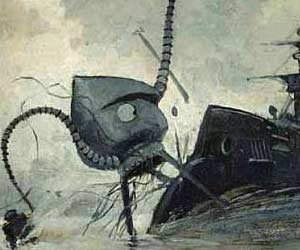
A hundred years ago, novelist H.G. Wells predicted that science would be "king of the world." Titanic's Jack Dawson may take issue with that claim, but he’d have a tough time disputing the compelling influence Wells had on politics, society, and the future that extended far beyond the literary realm. Considering Wells is one the founding fathers of sci-fi (along with Jules Verne and Edgar Rice Burroughs) and the author of The Time Machine, The Invisible man, The Island of Dr. Moreau, and The War of the Worlds, that's saying something.
ThriftBooks ® and the ThriftBooks ® logo are registered trademarks of Thrift Books Global, LLC
