


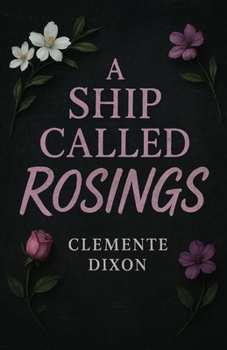
A Ship Called Rosings: A Pride and Prejudice Variations

A Ship Called Rosings: A Seafaring Romance of Love, Society, and Scandal
A Ship Called Rosings is not merely a title - it is a journey, a living metaphor drawn from the timeless brilliance of Pride and Prejudice. Imagine Rosings Park, that monument to Lady Catherine's grandeur, no longer bound to earth, but transformed into a mighty ship of sails and rigging, vast and formidable, ruling the seas as it once sought to rule hearts and fortunes. Upon this ship, every creak of timber carries the weight of pride, every snap of canvas echoes the voice of society's judgment. For those who watched the union of Darcy and Elizabeth, the vessel becomes both prophecy and warning - an ark of love navigating through oceans of scorn, envy, and rigid class divides.
Darcy, with all the command of a captain born to privilege, stands at the helm, proud yet uncertain, his compass no longer fixed upon tradition but upon the steady light of Elizabeth's gaze. She, with her wit like salt air and her courage like a rising tide, walks the deck as if born to storm and swell, refusing to bow to the rigid hierarchies that would see her cast overboard. To society, their love is perilous, a ship launched into waters far too rough, destined - so the whispers say to splinter against the reefs of class and expectation. But to the reader, it becomes the grandest voyage of all: the charting of a new world where love itself redraws the map.
Every crashing wave mirrors Lady Catherine's thundering disapproval, every shift in wind recalls the murmurings of Meryton's drawing rooms, and every stretch of open sea promises both danger and salvation. A Ship Called Rosings dares to ask: when love is set against the relentless tide of society's scorn, will it founder, or will it sail beyond the horizon to a freedom unimagined? This is not just a retelling but a tempest - a sweeping, salt-stained epic that invites you to stand on deck beside Darcy and Elizabeth, to feel the sting of sea spray and the pull of destiny, and to believe once more that true love, like the sea, can never be contained.
Customer Reviews
ThriftBooks ® and the ThriftBooks ® logo are registered trademarks of Thrift Books Global, LLC
