


All Formats & Editions
1 - 4 of 4 results found
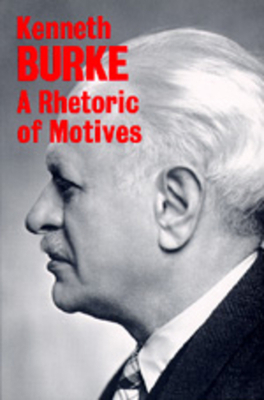
A Rhetoric of Motives
Edition Description
As critic, Kenneth Burke's preoccupations were at the beginning purely esthetic and literary; but after Counter-Statement (1931), he began to discriminate a "rhetorical" or persuasive component in literature, and thereupon became a philosopher of language and human conduct.
In...
Edition Details
Format:Paperback
Language:English
ISBN:0520015460
Format: Paperback
Condition:
$
20.09
Save $11.86!
List Price: $31.95
Almost Gone, Only 1 Left!

Format: Hardcover
Temporarily Unavailable
0 people are interested in this title.
We receive fewer than 1 copy every 6 months.

A Rhetoric of Motives
Edition Details
Format:Textbook Binding
Language:English
ISBN:0520015452
Format: Textbook Binding
Temporarily Unavailable
0 people are interested in this title.
We receive fewer than 1 copy every 6 months.

Format: Hardcover
Temporarily Unavailable
2 people are interested in this title.
We receive fewer than 1 copy every 6 months.
Copyright © 2026 Thriftbooks.com Terms of Use
| Privacy Policy | Do Not
Sell/Share My Personal Information | Cookie Policy | Cookie Preferences | Accessibility Statement
ThriftBooks® and the ThriftBooks® logo are registered trademarks of Thrift Books Global, LLC
ThriftBooks® and the ThriftBooks® logo are registered trademarks of Thrift Books Global, LLC
