


All Formats & Editions
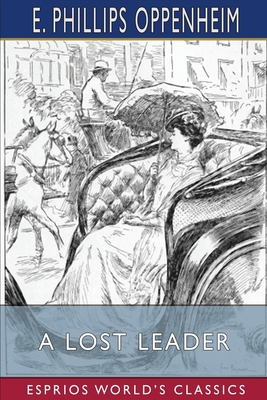
A Lost Leader (Esprios Classics): Illustrated b...
Edward Phillips Oppenheim (1866-1946), was an English novelist, in his lifetime a major and successful writer of genre fiction including thrillers. Featured on the cover of Time magazine in 1918, he was the self-styled "prince of storytellers. " He composed more than a hundred...
A lost leader. ( NOVEL ) by: E. Phillips Oppenheim
E. Phillips Oppenheim (1866 1946) was one of the most popular and successful writers of spy fiction in the early twentieth century, and was known in his time as the Prince of Storytellers. He was the author of more than 100 novels. Edward Phillips Oppenheim (22 October 1866 -...

A Lost Leader
This collection of literature attempts to compile many of the classic works that have stood the test of time and offer them at a reduced, affordable price, in an attractive volume so that everyone can enjoy them.


A Lost Leader
This collection of literature attempts to compile many of the classic works that have stood the test of time and offer them at a reduced, affordable price, in an attractive volume so that everyone can enjoy them.
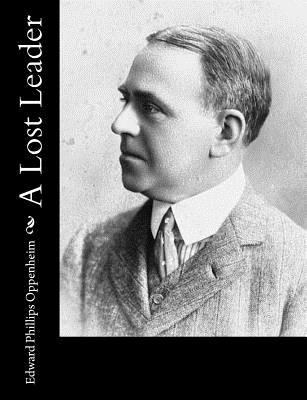

A Lost Leader
A Lost Leader, has been considered important throughout human history. In an effort to ensure that this work is never lost, we have taken steps to secure its preservation by republishing this book in a modern format for both current and future generations. This complete book...


A Lost Leader
A Lost LeaderBy E. Phillips Oppenheim


The Lost Leader
In a world of shifting alliances and hidden agendas, a man emerges with a vision that could reshape his country's future. As he gains power, his enemies multiply-political elites, secret organizations, and even those closest to him question his true intentions. With danger...
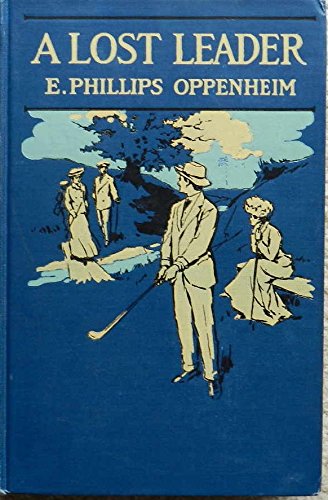
A LOST LEADER. ILLUSTRATED BY FRED PEGRAM.

The Works of E. Phillips Oppenheim A Lost Leader
A Lost Leader (1906)
A Lost Leader is a novel written by Edward Phillips Oppenheim and published in 1906. The story is set in the early 20th century and follows the life of a man named Andrew Tallente, who rises to political prominence in England but eventually falls from grace due to a scandal...
A Lost Leader
This is a reproduction of a book published before 1923. This book may have occasional imperfections
such as missing or blurred pages, poor pictures, errant marks, etc. that were either part of the original artifact,
or were introduced by the scanning process. We believe...
A Lost Leader

A Lost Leader (1906)
ThriftBooks ® and the ThriftBooks ® logo are registered trademarks of Thrift Books Global, LLC
