


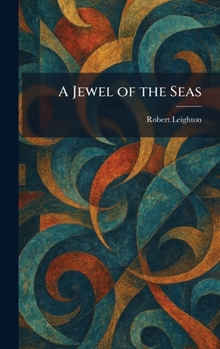
A Jewel of the Seas

"A Jewel of the Seas" is a classic maritime adventure that captures the spirit of exploration and the perils of the high seas. Set against the vast, unpredictable backdrop of the ocean, the narrative follows a journey filled with mystery, danger, and the pursuit of hidden riches. As characters navigate the challenges of life aboard a vessel, they must contend with both the forces of nature and the complexities of human ambition.
Robert Leighton, a master of adventure fiction, weaves a compelling tale of nautical skill and daring exploits. The story delves into the heart of the seafaring tradition, exploring themes of bravery, loyalty, and the lure of the unknown. From storm-tossed waves to the discovery of remote islands, the work provides a vivid portrayal of the maritime world in the early twentieth century.
Written with the descriptive flair and pacing characteristic of Leighton's most celebrated works, "A Jewel of the Seas" remains a testament to the enduring appeal of the sea story. This work is an essential read for those drawn to tales of salt spray, hidden secrets, and the timeless call of the horizon.
This work has been selected by scholars as being culturally important, and is part of the knowledge base of civilization as we know it. This work was reproduced from the original artifact, and remains as true to the original work as possible. Therefore, you may see the original copyright references, library stamps (as most of these works have been housed in our most important libraries around the world), and other notations in the work.
This work is in the public domain in the United States of America, and possibly other nations. Within the United States, you may freely copy and distribute this work, as no entity (individual or corporate) has a copyright on the body of the work.
As a reproduction of a historical artifact, this work may contain missing or blurred pages, poor pictures, errant marks, etc. Scholars believe, and we concur, that this work is important enough to be preserved, reproduced, and made generally available to the public. We appreciate your support of the preservation process, and thank you for being an important part of keeping this knowledge alive and relevant.
Customer Reviews
ThriftBooks ® and the ThriftBooks ® logo are registered trademarks of Thrift Books Global, LLC
