


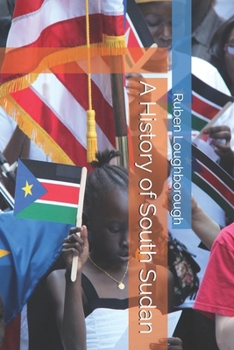
A History of South Sudan

A History of South Sudan provides a comprehensive and moving account of the world's youngest nation, tracing its journey from the ancient Nilotic migrations to its contemporary struggles for stability. The narrative begins by exploring the land itself-a dramatic landscape of savannas and the vast Sudd wetland-and the rich cultural heritage of its people, including the Dinka, Nuer, Shilluk, and Azande. It chronicles the deep historical roots of the region, marked by the arrival of the Turco-Egyptian empire, the devastating impact of the 19th-century slave trade, and the subsequent "Southern Policy" of the British colonial era that sowed the initial seeds of division between the north and the south.
The book details the decades of protracted conflict that defined the 20th century, beginning with the first Sudanese civil war and the rise of the Anya Nya movement. It provides an in-depth look at the brief respite offered by the Addis Ababa Agreement of 1972 before the discovery of oil and the imposition of Sharia law ignited the Second Sudanese Civil War. Central to this period is the rise of the Sudan People's Liberation Army/Movement (SPLA/M) under the leadership of Dr. John Garang, whose vision for a "New Sudan" propelled the southern people through a generation of sacrifice toward the landmark 2005 Comprehensive Peace Agreement.
The narrative reaches a pivotal climax with the historic 2011 referendum, where an overwhelming vote for secession led to the birth of the Republic of South Sudan. Readers are given a front-row seat to the euphoria of independence and the monumental task of building state institutions from scratch in a land without infrastructure. However, the book does not shy away from the tragedies that followed, detailing how political rivalries between President Salva Kiir and Riek Machar plunged the new nation back into a brutal civil war in 2013, characterized by ethnic violence and a staggering humanitarian crisis.
In its final chapters, the book examines the complex web of regional diplomacy and the series of peace agreements intended to stabilize the country. It highlights the essential roles of international actors, the resilience of South Sudanese women in peacebuilding, and the persistent challenges of security sector reform and economic volatility. By analyzing the impact of the neighboring war in Sudan and the growing climate emergency, the text provides a sobering yet necessary look at the nation's survival in the 21st century.
This definitive history serves as an essential resource for understanding the complexities of identity, the legacy of colonialism, and the enduring quest for self-determination. It is a story of immense suffering and remarkable resilience, offering a deep appreciation for the aspirations of a people striving for a future defined by peace and the promise of a brighter tomorrow.
Related Subjects
HistoryCustomer Reviews
ThriftBooks ® and the ThriftBooks ® logo are registered trademarks of Thrift Books Global, LLC
