


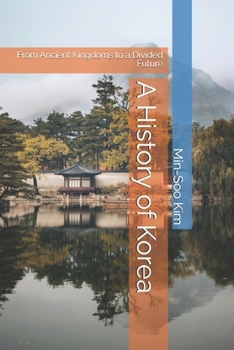
A History of Korea: From Ancient Kingdoms to a Divided Future

This comprehensive history tells the epic story of the Korean peninsula, a nation forged in a crucible of empires. Situated at a strategic crossroads between China, Japan, and the nomadic peoples of Manchuria, Korea's history is a testament to an astonishing resilience. From its mythological origins in the kingdom of Gojoseon, this narrative traces the rise and fall of powerful dynasties. It explores the fierce rivalries of the Three Kingdoms-the martial Goguryeo, the maritime Baekje, and the culturally brilliant Silla-and details the golden age that followed Silla's unification of the peninsula. Readers will journey through the Goryeo Dynasty, the origin of the modern name "Korea," celebrated for its exquisite celadon pottery, and the long-lived Joseon Dynasty, which established Neo-Confucianism as its guiding principle and produced one of the world's most scientific alphabets, Hangeul.
Through centuries of unique cultural and social development, the book chronicles Korea's resistance against devastating foreign invasions, from the Mongols in the 13th century to the Japanese and Manchus centuries later. It details the country's self-imposed isolation as the "Hermit Kingdom" and the internal reform movements that sought to modernize the nation from within. The narrative unflinchingly examines the traumatic turn of the 20th century, as imperial rivalries led to the erosion of Korean sovereignty and the beginning of a brutal 35-year Japanese colonial occupation that sought to erase the nation's identity.
Liberation at the end of World War II did not bring peace, but a new and more tragic chapter: division. The book provides a gripping account of how the peninsula became a flashpoint in the Cold War, leading to the establishment of two ideologically opposed states and the devastating Korean War that left the nation in ruins. It meticulously documents the starkly divergent paths the two Koreas have taken since the 1953 armistice. In the South, it charts the "Miracle on the Han River," a stunning transformation from authoritarian, war-torn poverty to a vibrant, globally connected democracy and a cultural and technological powerhouse.
In parallel, the book delves into the enigmatic world of North Korea, tracing its evolution under the Kim dynasty into one of the world's most isolated and totalitarian states. It examines the development of its state ideology of Juche, the profound suffering of its people during the great famine, and its defiant pursuit of nuclear weapons, which has made it a persistent source of global instability. From the royal courts of ancient kings to the trenches of the Korean War, from the bustling streets of modern Seoul to the carefully controlled society of Pyongyang, this work navigates the profound tragedy and extraordinary achievement that define the epic and ongoing story of Korea.
Related Subjects
HistoryCustomer Reviews
ThriftBooks® and the ThriftBooks® logo are registered trademarks of Thrift Books Global, LLC
