


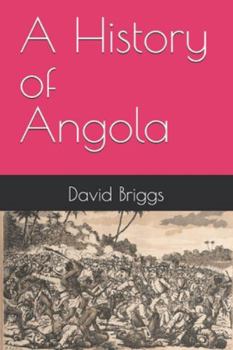
A History of Angola

This sweeping history navigates the staggering paradoxes of Angola, a nation of breathtaking beauty and immense natural wealth whose people have endured centuries of exploitation and devastating conflict. The narrative traces the long, often brutal, and remarkably resilient journey of the Angolan people, from the sophisticated ancient kingdoms of Kongo and Ndongo to the present day. It sets the stage for a dramatic story of state-building, cultural richness, and the tragic collision with a wider world that would forever alter the country's destiny.
The story chronicles the profound and irrevocable changes that began with the arrival of Portuguese ships in 1483. What started as a cautious relationship of trade and diplomacy soon descended into the horrors of the transatlantic slave trade, which tore apart communities and left a demographic scar that has never fully healed. This history details how, after centuries of a coastal presence, Portugal moved to violently consolidate its colonial rule in the late 19th century. It examines life under the Portuguese colonial system, characterized by forced labor, systematic exploitation, and the social engineering that ultimately planted the seeds of a fierce and determined armed struggle for independence.
The book delves into the complex and fractured fight for freedom, which gave rise to three rival nationalist movements: the MPLA, FNLA, and UNITA. It recounts how the dream of a peaceful independence in 1975 was immediately shattered, plunging the nation into a devastating 27-year civil war. This conflict quickly became one of the Cold War's most brutal proxy battlegrounds, with the United States, the Soviet Union, Cuba, and South Africa pouring in weapons and support, turning Angola into a landscape of unimaginable suffering and destruction financed by the nation's own oil and diamonds.
Finally, the narrative explores Angola's tumultuous journey since the war's end in 2002. It documents the subsequent oil boom that fueled staggering economic growth and a massive reconstruction effort, while simultaneously entrenching a system of endemic corruption that concentrated wealth in the hands of a tiny elite. The account follows the dramatic end of the nearly four-decade rule of President Jos Eduardo dos Santos and the subsequent rise of his successor, Jo o Louren o, who launched an unprecedented anti-corruption campaign against the former ruling family. It concludes by examining the immense challenges and future prospects facing contemporary Angola as it grapples with profound social inequality, the urgent need for economic diversification, and its quest to find a stable and prosperous place in the 21st century.
Related Subjects
HistoryCustomer Reviews
ThriftBooks® and the ThriftBooks® logo are registered trademarks of Thrift Books Global, LLC
