


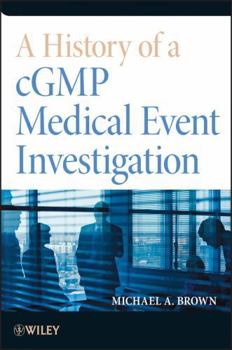
A History of a Cgmp Medical Event Investigation

Case study details the right way and the wrong way tosuccessfully develop and market a new drug
Beginning with the untimely death of a young mother, AHistory of a cGMP Medical Event Investigation unfolds afictitious case study that captures how unchecked human flawsduring the development and launch of a new drug can lead todisastrous consequences. Moreover, it illustrates how and why SixSigma principles and methods should be applied to fully comply withFDA regulations at every stage of drug development andcommercialization.
From initial transgenic mouse studies to the FDA fatalityinvestigation, this case study introduces all the key regulationsand practices that govern the development, manufacture, andmarketing of a new drug, including:
FDA Investigational and New Drug Application ProcessesFDA Code of Federal Regulations' current Good ManufacturingPractice (cGMP)ISPE Good Automated Manufacturing Practice (GAMP)Readers will also be introduced to a variety of managers andresearchers whose personal agendas conflict with best practices andtherefore compromise the safety and effectiveness of a new drugproduct. Throughout the case study, the author offers tested andproven practices and tips so that these human flaws are nottranslated into drug product flaws. These practices and tips arecritical and typically can only be learned through years ofexperience working in competitive drug developmentenvironments.
A History of a cGMP Medical Event Investigation is idealfor students in biotechnology, pharmacology, engineering, andbusiness management as well as professionals in biomedical and drugdevelopment. All readers will discover what can go wrong indeveloping and bringing a new drug to market. Most importantly, they will also learn how to apply Six Sigma principles and methodsto ensure safe and effective product design, development, andmanufacturing.
Customer Reviews
ThriftBooks® and the ThriftBooks® logo are registered trademarks of Thrift Books Global, LLC
