


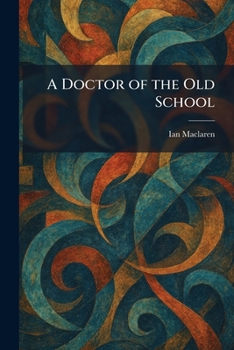
A Doctor of the Old School

Select Format
Select Condition 
Book Overview
"A Doctor of the Old School" is a poignant and enduring portrait of Dr. Weelum MacLure, a dedicated physician serving the rural community of Drumtochty in the Scottish Highlands. Written by Ian Maclaren, this work captures the essence of the Kailyard school of fiction, blending sentimental realism with a deep appreciation for the humble virtues of rural life.
The story follows the tireless doctor as he navigates rugged landscapes and harsh weather to care for his patients, often prioritizing their well-being above his own comfort and financial gain. Through a series of moving vignettes, Maclaren illustrates the profound bond between the healer and the Highland folk, emphasizing the silent heroism found in everyday service. MacLure is portrayed not just as a medical professional, but as a pillar of the community whose gruff exterior hides a heart of immense compassion.
Rich in regional dialect and historical atmosphere, "A Doctor of the Old School" explores themes of sacrifice, faith, and the dignity of the human spirit. It remains a classic of Scottish literature, offering readers an evocative glimpse into a bygone era and a timeless tribute to the medical profession.
This work has been selected by scholars as being culturally important, and is part of the knowledge base of civilization as we know it. This work was reproduced from the original artifact, and remains as true to the original work as possible. Therefore, you may see the original copyright references, library stamps (as most of these works have been housed in our most important libraries around the world), and other notations in the work.
This work is in the public domain in the United States of America, and possibly other nations. Within the United States, you may freely copy and distribute this work, as no entity (individual or corporate) has a copyright on the body of the work.
As a reproduction of a historical artifact, this work may contain missing or blurred pages, poor pictures, errant marks, etc. Scholars believe, and we concur, that this work is important enough to be preserved, reproduced, and made generally available to the public. We appreciate your support of the preservation process, and thank you for being an important part of keeping this knowledge alive and relevant.
Customer Reviews
ThriftBooks ® and the ThriftBooks ® logo are registered trademarks of Thrift Books Global, LLC
