


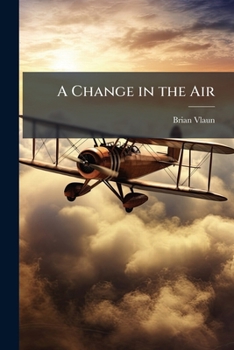
A Change in the Air: Strategic Innovation and the Combined Bomber Offensive

This thesis proposes a non-linear approach to strategic innovation and argues that innovation in this construct depends most upon perceiving the interaction of friendly, enemy, and third-party strategies. The author evaluates whether the military has the appropriate mechanisms to innovate strategy during long wars. Rather than to disprove existing theories of innovation that seek linear cause-and-effect relationships, this thesis incorporates them into a broader construct of innovation through emergence at key junctures during war. The analytical framework steps though a three-part case study of the Combined Bomber Offensive during World War II to unravel and correlate the interaction of contextual factors, key actors, and feedback processes leading to air superiority over Germany. Results of the study show that strategic innovation is a complex process influenced by military strategists, decision-makers, and their feedback processes. This study concludes that opportunity for increased tempo, dialogue between political and strategic actors, and a willingness to embrace complexity rather than apply reductionist approaches best contribute to innovation. The study implies that the changing character of war in the cyberspace domain necessitates continuous evaluation of processes as well as discourse between decision-makers and those whom they employ to aid their perception of the strategic environment.
This work has been selected by scholars as being culturally important, and is part of the knowledge base of civilization as we know it. This work was reproduced from the original artifact, and remains as true to the original work as possible. Therefore, you will see the original copyright references, library stamps (as most of these works have been housed in our most important libraries around the world), and other notations in the work.
This work is in the public domain in the United States of America, and possibly other nations. Within the United States, you may freely copy and distribute this work, as no entity (individual or corporate) has a copyright on the body of the work.
As a reproduction of a historical artifact, this work may contain missing or blurred pages, poor pictures, errant marks, etc. Scholars believe, and we concur, that this work is important enough to be preserved, reproduced, and made generally available to the public. We appreciate your support of the preservation process, and thank you for being an important part of keeping this knowledge alive and relevant.
Customer Reviews
ThriftBooks® and the ThriftBooks® logo are registered trademarks of Thrift Books Global, LLC
