


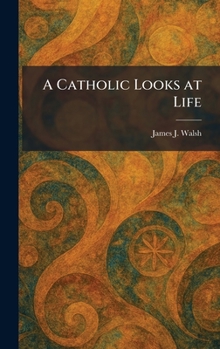
A Catholic Looks at Life

"A Catholic Looks at Life" is a profound exploration of human existence, ethics, and modern society through the lens of Catholic thought. Written in the early 20th century, this work addresses the intersection of faith, science, and the everyday challenges of the era. James J. Walsh, a noted physician and scholar, brings a unique blend of scientific inquiry and theological conviction to his observations, arguing for the enduring relevance of Christian principles in a rapidly changing world.
The book covers a wide range of topics, including education, culture, and the moral responsibilities of the individual within the community. It serves as both an apologetic for Catholic values and a practical guide for living a purposeful life grounded in religious tradition. By examining the social and spiritual currents of his time, Walsh offers readers a timeless reflection on how religious belief can provide a stable foundation for navigating the complexities of the human experience. This work remains a significant contribution to American Catholic literature, reflecting the intellectual depth and cultural engagement of one of the period's most influential writers.
This work has been selected by scholars as being culturally important, and is part of the knowledge base of civilization as we know it. This work was reproduced from the original artifact, and remains as true to the original work as possible. Therefore, you may see the original copyright references, library stamps (as most of these works have been housed in our most important libraries around the world), and other notations in the work.
This work is in the public domain in the United States of America, and possibly other nations. Within the United States, you may freely copy and distribute this work, as no entity (individual or corporate) has a copyright on the body of the work.
As a reproduction of a historical artifact, this work may contain missing or blurred pages, poor pictures, errant marks, etc. Scholars believe, and we concur, that this work is important enough to be preserved, reproduced, and made generally available to the public. We appreciate your support of the preservation process, and thank you for being an important part of keeping this knowledge alive and relevant.
Customer Reviews
ThriftBooks ® and the ThriftBooks ® logo are registered trademarks of Thrift Books Global, LLC
