


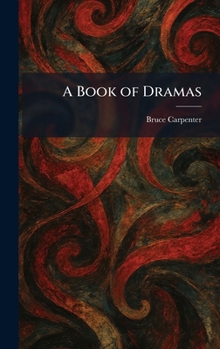
A Book of Dramas

"A Book of Dramas" is a comprehensive anthology that brings together a diverse selection of theatrical works, showcasing the breadth and depth of dramatic literature from various eras and styles. Compiled by Bruce Carpenter, this collection serves as an essential survey for students of the theatre, performers, and literature enthusiasts alike. The volume spans the evolution of the stage, offering a curated look at the tragedies and comedies that have shaped theatrical tradition.
Inside, readers will find a rich tapestry of human experience, explored through the unique structural lenses of the world's most influential playwrights. From the formal constraints of classical structure to the more fluid expressions of modernism, "A Book of Dramas" highlights the enduring power of dialogue and action. The collection emphasizes the interplay between character development and social commentary, making it a valuable resource for understanding the historical context and artistic innovation of dramatic writing.
Whether used for academic study or personal enjoyment, this anthology provides a profound look at the art of storytelling in its most immediate form. By presenting these works together, the collection invites comparison and deeper insight into the universal themes of conflict, resolution, and the human condition as depicted on the stage.
This work has been selected by scholars as being culturally important, and is part of the knowledge base of civilization as we know it. This work was reproduced from the original artifact, and remains as true to the original work as possible. Therefore, you may see the original copyright references, library stamps (as most of these works have been housed in our most important libraries around the world), and other notations in the work.
This work is in the public domain in the United States of America, and possibly other nations. Within the United States, you may freely copy and distribute this work, as no entity (individual or corporate) has a copyright on the body of the work.
As a reproduction of a historical artifact, this work may contain missing or blurred pages, poor pictures, errant marks, etc. Scholars believe, and we concur, that this work is important enough to be preserved, reproduced, and made generally available to the public. We appreciate your support of the preservation process, and thank you for being an important part of keeping this knowledge alive and relevant.
Customer Reviews
ThriftBooks ® and the ThriftBooks ® logo are registered trademarks of Thrift Books Global, LLC
