


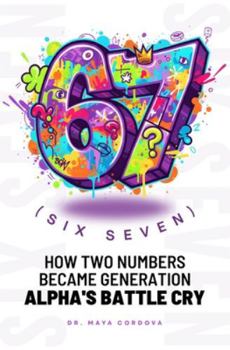
67 (Six Seven): How Two Numbers Became Generation Alpha's Battle Cry

In 2025, two seemingly random numbers captured the attention of an entire generation and became Dictionary.com's Word of the Year. "67" spread across the globe in weeks, united millions of kids through shared absurdity, and left adults completely baffled about what it meant or why it mattered.
Cultural linguist Dr. Maya Cordova spent months investigating this phenomenon, conducting over two hundred interviews with Gen Alpha kids, their parents, teachers, and researchers. What she discovered revealed far more than one viral phrase. "67" became a window into understanding the first generation raised entirely in the algorithm age.
This book traces the complete journey of "67" from obscure song lyric to global cultural touchstone, examining what it reveals about language evolution, technological influence on culture, generational divides, and how young people create meaning in a rapidly changing world. Through compelling storytelling and rigorous research, Dr. Cordova explores how Gen Alpha is adapting to unprecedented challenges with remarkable creativity and resilience.
Whether you're a parent struggling to understand your child's digital life, a teacher navigating classroom disruptions from viral trends, or simply curious about how culture evolves in the twenty-first century, this book offers essential insights into the generation that will shape our future. You'll learn about brainrot culture, algorithmic influence on language, the performance of belonging in digital spaces, and what happens when meaninglessness becomes meaningful.
The book includes practical guidance for parents and educators, a comprehensive glossary of Gen Alpha slang (with acknowledgment that it's already outdated), a timeline of viral language phenomena from 2020-2025, and resources for supporting young people navigating digital culture.
"67" may fade from memory, but what it reveals about Gen Alpha, language, and cultural change in the algorithm age will remain relevant for years to come. This book helps bridge the generational divide by taking young people seriously while offering adults frameworks for understanding without pretending to be experts in a culture they'll never fully inhabit.
You might never fully understand what "67" means. But after reading this book, you'll understand why that's okay and why it matters anyway.
Customer Reviews
ThriftBooks ® and the ThriftBooks ® logo are registered trademarks of Thrift Books Global, LLC
