


Top Picks
Bestsellers
Semantics



Foreign Language Study & Reference




Humanities
Language Arts

Linguistics
Words, Language & Grammar
Explore Semantics: Books to Deepen Your Understanding of Meaning and Language
Language is more than just words—it's the foundation of how we communicate, think, and connect. If you're looking to find books on semantics, this collection brings together essential works that explore how meaning is created, conveyed, and interpreted in language. Whether you're new to the topic, pursuing academic studies, or simply curious about how words shape our world, these semantics books offer insights for every reader.
What Is Semantics? Why Read Books on Semantics?
Semantics is the study of meaning in language—how words, sentences, and texts communicate ideas and intentions. Books on semantics often delve into linguistics, logic, culture, and even politics, helping readers understand how meaning is constructed and interpreted. Exploring this field can sharpen your analytical skills, enhance your communication, and open up new perspectives on everything from literature to everyday conversation.
Top Semantics and Pragmatics Books for Every Reader
Whether you're a student, linguist, writer, or lifelong learner, there are many paths into semantics. Here are some standout options from our collection, each offering valuable perspectives and practical approaches:
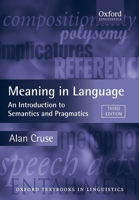
- Meaning in Language: An Introduction to Semantics and Pragmatics is a comprehensive guide for those seeking both theoretical depth and practical examples. Alan Cruse expertly bridges core concepts in semantics and pragmatics, making this an ideal starting point for university students and advanced readers.
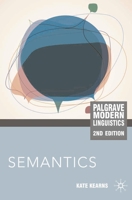
- Semantics (Modern Linguistics) by Kate Kearns offers clear explanations of complex ideas, perfect for readers who want an accessible yet thorough introduction to contemporary semantic theory.
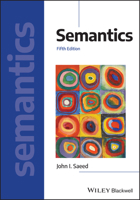
- Semantics (Introducing Linguistics, 2) by John I. Saeed presents key topics in semantics with practical examples, making it especially useful for those new to linguistics or looking for an engaging classroom text.
- Semantics by Frank Robert Palmer is a classic introduction that lays out fundamental theories and provides historical context for the field, making it a valuable resource for building a strong foundation in semantics.
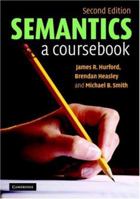
- Semantics: A Coursebook is designed for learners who prefer a hands-on approach. With exercises and discussion points, it’s ideal for self-study or classroom use.
Specialized Books: Syntax, Discourse, and Semiotics
Semantics often overlaps with related fields. If you're interested in the connections between meaning, sentence structure, and communication strategies, these titles expand the conversation:
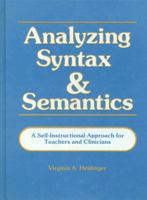
- Analyzing Syntax & Semantics Textbook by Virginia Heidinger brings together the study of sentence structure and meaning, making it a practical guide for students who want to understand how grammar shapes interpretation.
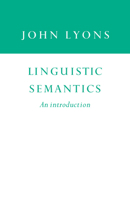
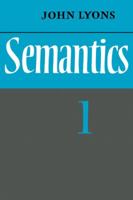
- Linguistic Semantics: An Introduction by John Lyons is a highly respected resource for those pursuing linguistic theory or preparing for advanced academic work in semantics.
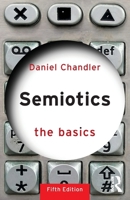
- Semiotics: The Basics by Daniel Chandler introduces readers to the study of signs, symbols, and meaning beyond language, offering a broader context for understanding how communication works in different media.
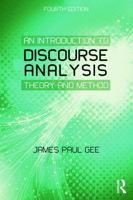
- An Introduction to Discourse Analysis: Theory and Method by James Paul Gee explores how meaning is constructed in larger texts and conversations, making this a great choice for those interested in how context and culture influence understanding.
Choosing the Right Book: Your Goals and Interests
Finding the best semantics book for your needs depends on your background and what you hope to achieve. Here’s a quick guide to help you select:
- New to semantics? Start with accessible overviews like Semantics (Modern Linguistics) or Semantics (Introducing Linguistics, 2)—both offer clear, engaging introductions.
- Want hands-on exercises? Semantics: A Coursebook is perfect for active learning, featuring practical tasks and real-world examples.
- Looking for depth or academic research? Titles like Meaning in Language and Linguistic Semantics: An Introduction offer comprehensive and well-researched content.
- Curious about related fields? Explore Semiotics: The Basics for signs and symbols, or An Introduction to Discourse Analysis for context and conversation.
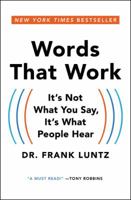
- Writers and communicators: Words That Work: It's Not What You Say, It's What People Hear by Frank Luntz dives into the practical side of semantics and persuasion—ideal for anyone interested in the power of language in media, business, or politics.
How Semantics Connects to Everyday Life
Understanding semantics isn’t just for academics. Many of these books show how the principles of meaning and communication affect everything from storytelling to advertising. For example, Words That Work offers real-world strategies for crafting messages that resonate, while An Introduction to Discourse Analysis reveals how context shapes interpretation in daily conversations.
Browse, Discover, and Learn: Your Pathway to Semantics Books
This collection makes it easy to find books on semantics, whether you’re studying linguistics, exploring how language shapes society, or simply interested in the science of meaning. Each title comes from trusted authors and publishers, ensuring reliable knowledge for your learning journey. Here’s a recap of what you can explore:
- Introductory Texts: Semantics by Frank Robert Palmer
- Textbooks & Coursebooks: Semantics: A Coursebook, Analyzing Syntax & Semantics Textbook
- Advanced and Academic: Meaning in Language, Linguistic Semantics: An Introduction
- Applied Semantics: Words That Work
- Semiotics & Discourse: Semiotics: The Basics, An Introduction to Discourse Analysis
Frequently Asked Questions About Semantics Books
- What are the best books on semantics for beginners?
For newcomers, Semantics (Modern Linguistics) and Semantics (Introducing Linguistics, 2) are widely recommended for their approachable style. - Can I use these books for self-study?
Absolutely. Many titles, such as Semantics: A Coursebook, are designed for independent learners, with exercises and discussion prompts. - How do semantics and pragmatics differ?
Semantics focuses on meaning in language itself, while pragmatics studies how context influences meaning. Meaning in Language covers both areas for a complete perspective. - Are there books for advanced or academic study?
Yes. Linguistic Semantics: An Introduction and Meaning in Language are both suitable for advanced students and researchers.
Start Your Journey: Find Books on Semantics at ThriftBooks
Whether you’re searching for an introduction, an academic resource, or practical guides on semantics and pragmatics, ThriftBooks helps you discover the right book at the right price. Explore our curated selection above to dive into the fascinating world of meaning, language, and communication. With these semantics books, you’re just a page away from unlocking new ways to think, write, and connect.
